
Is Seasoned Salt Halal?
The direct answer is: **MAYBE**. While the visible ingredients in Seasoned Salt—like salt, spices, and onion—are perfectly Halal, the presence of 'natural flavor' creates a gray area. This single ingredient requires verification to ensure no animal-derived enzymes or alcohol were used in its production.
The Ingredient Breakdown
When evaluating a product like Seasoned Salt for Halal compliance, we must look beyond the obvious spices. The ingredient list is mostly clean, but there are specific flags that require a deeper dive into food science.
First, the base ingredients are solid. Salt, sugar, and a variety of spices (including paprika and turmeric) are plant-derived and inherently Halal. The inclusion of onion, garlic, and sunflower oil adds flavor and flow without religious concern. Even the anti-caking agent, tricalcium phosphate, is a mineral salt and is permissible.
The primary concern lies with natural flavor. In the food industry, 'natural flavor' can be derived from plant or animal sources. To achieve specific savory notes, manufacturers sometimes use enzymes derived from animals (such as pork or beef) or extract flavors using alcohol. Without a specific Halal certification, we cannot guarantee the source of this flavor.
Additionally, while corn starch is generally safe, it is often processed on equipment shared with wheat. However, unless specified as a processing aid or listed as an allergen, it is typically considered safe for those avoiding gluten.
Nutritional Value
From a nutritional standpoint, Seasoned Salt is designed to be a flavor enhancer rather than a significant source of calories or macronutrients. A standard serving size is very small, usually a teaspoon, meaning the caloric impact is negligible.
The main ingredients contributing to the nutritional profile are sugar and salt. The sugar content is likely low by volume, but it contributes to the overall taste balance. The sodium content, derived from the salt, will be high, which is typical for seasoning blends. If you are monitoring your blood pressure or sodium intake, you would need to use this product sparingly. It contains virtually no fat or protein, making it a 'free' food in many diet plans, provided the sodium limits are respected.
Frequently Asked Questions
Does Seasoned Salt contain dairy or gluten?
Is Seasoned Salt good for weight loss?
Where can I buy Seasoned Salt?
Is Seasoned Salt safe for kids?
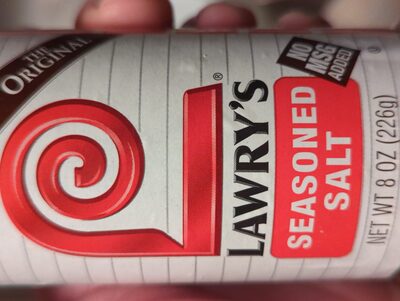
Seasoned Salt
Halal Analysis
We recommend searching for certified Halal alternatives.
Pro Tip
Always double-check the label. Manufacturers change ingredients frequently without notice!