
Is Seaweed Salad Gluten-Free?
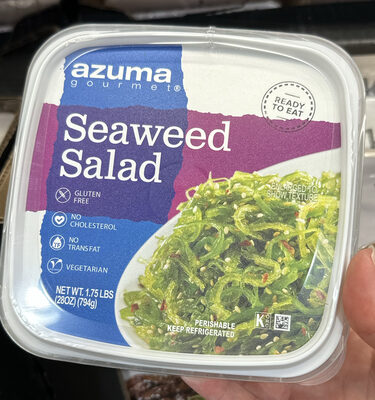
Yes, Seaweed Salad is generally considered gluten-free. Based on a detailed analysis of the standard ingredient list, there are no gluten-containing grains like wheat, barley, or rye present. While it contains additives and preservatives, none of them pose a gluten risk.
The Ingredient Breakdown
As a food scientist, I look beyond the marketing claims and dive straight into the label. When examining a standard Seaweed Salad, the primary concern for a gluten-free diet is the presence of hidden wheat derivatives, often found in soy sauce or thickeners. However, the ingredient profile for this product is surprisingly safe from gluten.
The base of the salad is Seaweed (specifically farmed in Korea), which is naturally gluten-free and safe. The texture comes from Agar-Agar and Kikurage Mushroom, both plant-based and free of gluten. The dressing components—Sugar, Vinegar, and Sesame Oil—are also inherently safe.
Where we often see issues is with thickeners and flavor enhancers. The ingredient list includes Xanthan Gum. While Xanthan Gum can be produced using wheat fermentation, the FDA classifies it as safe for gluten-free diets because the manufacturing process removes the gluten protein. Similarly, the flavor enhancers Disodium 5'-Inosinate and Disodium 5'-Guanylate are typically derived from yeast or fish and are not gluten sources.
Finally, we must look at the artificial colors and preservatives. FD&C Yellow #5 and FD&C Blue #1 are synthetic dyes and do not contain gluten. Potassium Sorbate is a common preservative used to maintain freshness and is gluten-free. Therefore, from a chemical composition standpoint, this salad poses no gluten threat.
Nutritional Value
While this salad is safe for those with Celiac disease or gluten sensitivity, it is important to view it through a nutritional lens. Seaweed itself is a nutritional powerhouse, packed with iodine, fiber, and vitamins. However, the addition of Sugar and Sesame Oil changes the profile significantly.
The salad is relatively low in calories due to the high water content of the seaweed and mushrooms, making it a volume-friendly side dish. However, the sugar content is notable. If you are strictly monitoring your carbohydrate intake or managing blood sugar levels, this should be eaten in moderation. The fat content comes primarily from the Sesame Oil and Sesame Seeds, providing healthy unsaturated fats, but adding to the overall caloric density.
For those on a low-sodium diet, the combination of Salt, Vinegar, and the flavor enhancers (Inosinate/Guanylate) can make the sodium content quite high. It fits well into a balanced diet as a side, but may not be ideal as a main course if you are watching your salt intake.
Frequently Asked Questions
Does Seaweed Salad contain dairy or gluten?
Is Seaweed Salad good for weight loss?
Where can I buy Seaweed Salad?
Is Seaweed Salad safe for kids?

Pro Tip
Always double-check the label. Manufacturers change ingredients frequently without notice!