
Is Seaweed Salad Halal?
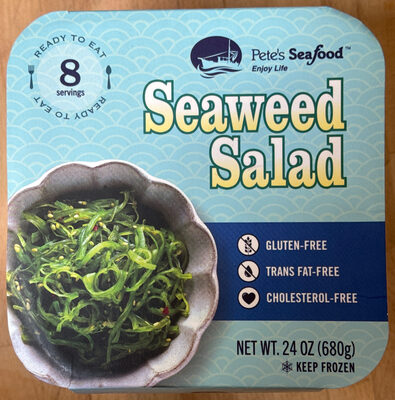
Yes, Seaweed Salad is Halal. Based on a detailed analysis of the standard ingredient list, this vibrant appetizer contains no animal products, alcohol, or pork derivatives, making it permissible for consumption. While the ingredients are generally safe, we will explore the specific additives and nutritional profile to give you a complete picture.
The Ingredient Breakdown
As a food scientist, I look past the marketing on the package and go straight to the formulation. When we analyze the specific ingredients provided for this Seaweed Salad, the Halal verdict is straightforward because the recipe is entirely plant-based and synthetic in its additive sources.
The primary component is Farm-Raised Seaweed. Seaweed is a marine vegetable; it is inherently Halal and contains no animal tissue. The texture is achieved using Agar, a gelling agent derived from red algae. This is a perfect Halal alternative to gelatin, which is often sourced from pork or beef.
For the seasoning profile, we see Distilled Vinegar, Sugar, Sesame Oil, and Red Chili Pepper. Distilled vinegar is Halal as the distillation process removes any impurities or original source material. The Hydrolyzed Vegetable Protein listed is derived from Soybeans, confirming it is a vegetable-based flavor enhancer, not meat-based.
Finally, the additives Disodium Guanylate and Disodium Inosinate are flavor enhancers typically produced from fermentation of starches (like tapioca or potato). They are not derived from animal sources and are considered Halal compliant. The only potential flags for a consumer are strictly dietary, not religious; FD&C Yellow #5 & Blue #1 are artificial colors, and while they are chemically Halal, some individuals prefer to avoid them.
Nutritional Value
From a nutritional standpoint, Seaweed Salad is a low-calorie food, but it is important to monitor the sugar and sodium content. A standard serving typically contains between 40 to 70 calories, with the majority coming from carbohydrates due to the added sugar and the agar base.
The sugar content can be moderate, often ranging from 4g to 8g per serving, which gives the salad its signature sweet and savory balance. While the fat content is very low, the sodium levels can be significant due to the salt and flavor enhancers. However, because it is a vegetable-based dish, it provides a good source of fiber and iodine, which is essential for thyroid health. It fits well into a low-fat diet but should be eaten in moderation if you are strictly watching your sugar or salt intake.
Frequently Asked Questions
Does Seaweed Salad contain dairy or gluten?
Is Seaweed Salad good for weight loss?
Where can I buy Seaweed Salad?
Is Seaweed Salad safe for kids?


Pro Tip
Always double-check the label. Manufacturers change ingredients frequently without notice!