
Is Shells & Cheese Gluten Free?
If you are looking for a gluten-free comfort meal, the answer regarding Shells & Cheese is unfortunately no. A close look at the ingredient label reveals that the pasta shells are made with enriched wheat flour, making the product unsafe for those with Celiac disease or gluten intolerance. While the cheese sauce is the primary concern for dairy allergies, the pasta itself is the dealbreaker for a gluten-free diet.
The Ingredient Breakdown
As a food scientist, I always look at the source of the carbohydrates first. In this product, the primary culprit is the enriched macaroni product. The ingredient list explicitly states that this is made from wheat flour. Wheat is one of the primary sources of gluten, specifically gliadin and glutenin proteins, which give pasta its chewy texture. Because the pasta shell itself is wheat-based, the entire dish is contaminated with gluten.
Furthermore, we must look at the modified food starch and maltodextrin listed in the ingredients. While these can be derived from corn or potato, in the United States, if the source is not specified, it is highly likely to be derived from wheat. Even if these specific additives were corn-based, they cannot overcome the fact that the main structural ingredient is wheat flour.
On the dairy side, the product is equally dense. The cheese sauce relies heavily on whey, cheddar cheese, milk protein concentrate, and milkfat. The presence of sodium phosphate and sorbic acid indicates a processed cheese sauce designed for shelf stability and emulsification, ensuring the sauce remains creamy without separating. However, for anyone with lactose intolerance or a milk allergy, this sauce is a significant trigger.
Nutritional Value
From a nutritional standpoint, Shells & Cheese is a classic example of a comfort food that prioritizes flavor over nutritional density. The dish is calorie-dense, primarily due to the canola oil in the sauce and the enriched flour base. A single serving provides a significant portion of daily caloric intake with relatively low satiety, meaning you might feel hungry again sooner than expected.
The sodium phosphate and added salt contribute to a high sodium content, which is common in processed cheese products to enhance flavor and preserve texture. While the pasta is fortified with vitamins like niacin and folic acid, the overall glycemic index of the meal is high due to the refined wheat and maltodextrin, leading to rapid spikes in blood sugar. It fits into a diet only as an occasional indulgence rather than a nutritional staple.
Frequently Asked Questions
Does Shells & Cheese contain dairy or gluten?
Is Shells & Cheese good for weight loss?
Where can I buy Shells & Cheese?
Is Shells & Cheese safe for kids?
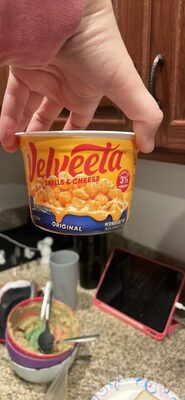
Shells & Cheese
Gluten Free Analysis
We recommend searching for certified Gluten Free alternatives.
Pro Tip
Always double-check the label. Manufacturers change ingredients frequently without notice!