
Is Sherry Cooking Wine Gluten Free?
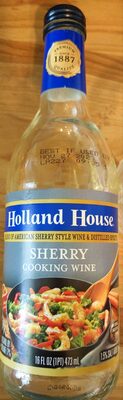
Yes, Sherry Cooking Wine is gluten-free. Based on the ingredient label, this cooking staple contains no wheat, barley, rye, or hidden gluten derivatives, making it a safe flavor enhancer for those with celiac disease or gluten intolerance. While it is safe from gluten, there are other ingredients like added salt and preservatives to consider.
The Ingredient Breakdown
To understand why this product is safe for a gluten-free diet, we need to look at the chemistry behind the flavor. The primary component is Sherry wine. Wine is naturally gluten-free because it is fermented from grapes, not gluten-containing grains. However, the safety of wine for celiacs often comes down to the aging process. Traditional oak barrels were sometimes sealed with a wheat-based paste. Fortunately, modern commercial cooking wines like this one use alternative sealing methods or stainless steel tanks, eliminating that risk.
The next ingredients are water and neutral spirits. These are simply used to standardize the alcohol content and volume; they are derived from sources like corn or grapes and contain no gluten. The invert sugar and malic acid provide a touch of sweetness and tartness to balance the salt, neither of which are gluten-derived.
The most controversial ingredient in many cooking wines is salt. While salt is mineral-based and gluten-free, it is added to cooking wines to make them non-potable (avoiding liquor tax laws). This high sodium content is the main health flag, not a gluten one. Finally, preservatives like potassium sorbate and potassium metabisulfite are standard food-grade stabilizers used to prevent spoilage and oxidation; they are synthetic and gluten-free.
Nutritional Value
From a nutritional standpoint, Sherry Cooking Wine is used in small quantities, so its caloric impact is minimal. A tablespoon typically contains fewer than 10 calories. The primary macronutrient of note is the carbohydrate content, derived mostly from the invert sugar. This adds a small amount of simple sugars to your dish, contributing to the caramelization process that creates rich flavors in sauces and stews.
The most significant nutritional flag for this product is the sodium content. Because it is fortified with salt, a single serving can contain a significant percentage of your daily recommended intake. It is not considered a 'health food' but rather a flavor tool. It contains virtually no fat or protein. For those on a low-sodium diet, this product should be used sparingly or substituted with a salt-free vinegar.
Frequently Asked Questions
Does Sherry Cooking Wine contain dairy or gluten?
Is Sherry Cooking Wine good for weight loss?
Where can I buy Sherry Cooking Wine?
Is Sherry Cooking Wine safe for kids?
Pro Tip
Always double-check the label. Manufacturers change ingredients frequently without notice!