
Is Shrimp flavor ramen noodle soup Kosher?
No, Shrimp flavor ramen noodle soup is not Kosher. While the ingredients list contains obvious red flags like shrimp powder, it also hides non-Kosher animal derivatives that violate strict dietary laws. This analysis breaks down exactly why this specific flavor profile fails Kosher certification.
The Ingredient Breakdown
When determining if a processed food like instant ramen is Kosher, we must look beyond the flavor name and inspect the chemical composition. In the case of this Shrimp flavor soup, the verdict is a hard no for two primary reasons: the presence of shellfish and the mixture of meat and dairy elements.
The most obvious violation is the inclusion of shrimp powder. In Jewish dietary laws (Kashrut), all shellfish—specifically those without fins and scales—are strictly forbidden. This includes crustaceans like shrimp, lobster, and crabs. Even if the product were to remove the shrimp, the presence of chicken fat creates a complex issue. Kosher law forbids the mixing of meat and dairy. The ingredients list also includes lactose (milk sugar) and egg white. Without a specific Rabbinical supervision (hechsher) stating the chicken fat is Kosher and the dairy is Pareve (neutral), this product is considered a forbidden mixture of meat and milk.
Furthermore, the flavor enhancers pose a risk. Disodium guanylate and disodium inosinate are often derived from animal sources (fish or meat) unless specifically derived from yeast or vegetables and certified Kosher. Combined with hydrolyzed soy protein and soy sauce (which can sometimes contain non-Kosher additives), the soup is a minefield of non-certified ingredients.
Nutritional Value
From a nutritional standpoint, this Shrimp flavor ramen soup is highly processed and offers little in terms of health benefits. A standard serving contains high levels of sodium—often exceeding 800mg per packet—which contributes to high blood pressure and water retention. The soup relies on disodium succinate and sodium tripolyphosphate to maintain texture and flavor, additives that are common in processed foods but offer no nutritional value.
Regarding weight management, this soup is calorie-dense but nutrient-poor. The primary ingredients are enriched flour and palm oil, providing a high amount of refined carbohydrates and saturated fats. The inclusion of TBHQ (a preservative) and caramel color further indicates a highly processed food product. It does not fit well into a balanced diet focused on whole foods.
Frequently Asked Questions
Does Shrimp flavor ramen noodle soup contain dairy or gluten?
Is Shrimp flavor ramen noodle soup good for weight loss?
Where can I buy Shrimp flavor ramen noodle soup?
Is Shrimp flavor ramen noodle soup safe for kids?
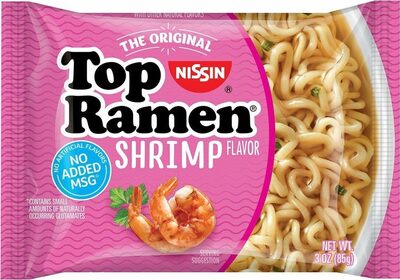
Shrimp flavor ramen noodle soup
Kosher Analysis
We recommend searching for certified Kosher alternatives.
Pro Tip
Always double-check the label. Manufacturers change ingredients frequently without notice!