
Is Sipjoy - Lemonade + Tea Keto?
If you are strictly following a ketogenic diet, you should avoid Sipjoy - Lemonade + Tea. While this beverage is organic and contains live probiotics, the inclusion of organic cane sugar as a primary ingredient makes it incompatible with keto macros. In this article, we will break down exactly why this drink fails the keto test and explore the nutritional implications.
The Ingredient Breakdown
As a food scientist, I look beyond the marketing claims of "organic" or "probiotic" to the molecular structure of the ingredients. When evaluating a product for the ketogenic diet, the source of carbohydrates is just as important as the quantity. Sipjoy - Lemonade + Tea relies on organic cane sugar to balance the tartness of the lemon juice and the bitterness of the brewed tea.
The presence of cane sugar is the definitive red flag here. Regardless of whether the sugar is organic, it is chemically sucrose. In the body, sucrose breaks down into glucose and fructose. On a keto diet, the goal is to maintain a state of ketosis by keeping blood glucose levels low enough that the body switches from burning glucose to burning fat. Consuming a beverage sweetened with cane sugar will inevitably cause a rapid rise in blood sugar, inhibiting ketone production.
Furthermore, while the live kombucha culture offers potential gut-health benefits, it does not negate the metabolic impact of the sugar. The fermentation process in kombucha consumes some sugar, but commercial kombucha beverages like Sipjoy often retain a significant amount of residual sugar to ensure palatability. Therefore, despite the healthy probiotics, the macronutrient profile is dominated by carbohydrates.
Nutritional Value
To understand why this drink is not keto, we must look at the nutritional math. While the exact label values can vary slightly by batch, a standard 12oz serving of a kombucha-based lemonade tea typically contains between 15 to 25 grams of sugar. This amount of sugar represents nearly half of the total daily carbohydrate allowance for a standard ketogenic diet (which usually restricts net carbs to 20-30 grams per day).
Drinking one bottle of Sipjoy - Lemonade + Tea would consume the majority of your carbohydrate "budget" for the day, leaving very little room for nutrient-dense vegetables or healthy fats. Additionally, the calorie count, usually hovering around 40-60 calories per serving, comes almost entirely from sugar. There is virtually no fat or protein in this beverage to help slow down the absorption of the sugar, meaning it will hit your bloodstream quickly.
For those practicing "dirty keto" or cyclical keto, a single serving might fit into a refeed window, but for strict keto adherents, the high glycemic load makes it a risky choice that could easily lead to cravings and disrupt the metabolic state of ketosis.
Frequently Asked Questions
Does Sipjoy - Lemonade + Tea contain dairy or gluten?
Is Sipjoy - Lemonade + Tea good for weight loss?
Where can I buy Sipjoy - Lemonade + Tea?
Is Sipjoy - Lemonade + Tea safe for kids?




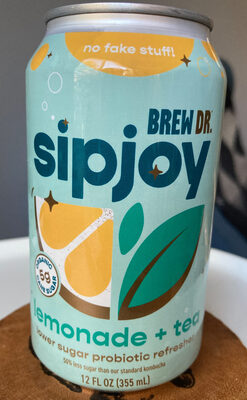
Sipjoy - Lemonade + Tea
Keto Analysis
We recommend searching for certified Keto alternatives.
Pro Tip
Always double-check the label. Manufacturers change ingredients frequently without notice!