
Is Sliced Pepperoncini Gluten Free?
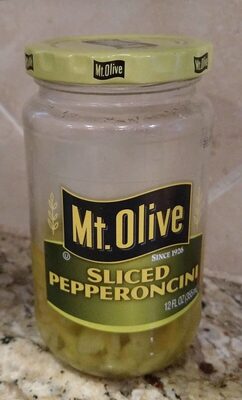
Yes, Sliced Pepperoncini is gluten-free. Based on the ingredient list provided, there are no wheat, barley, rye, or hidden gluten derivatives used in the manufacturing process. This makes them a safe, tangy snack option for those avoiding gluten, though there are other ingredients worth noting for those with specific sensitivities.
The Ingredient Breakdown
When determining if a pickled product is safe for a gluten-free diet, we have to look beyond just the peppers themselves. The brine and additives are where potential risks often hide. However, looking at the specific ingredients for this product—IMPORTED PEPPERS, WATER, VINEGAR, SALT, CITRIC ACID, CALCIUM CHLORIDE, SODIUM BENZOATE, SODIUM BISULFITE, and YELLOW 5—we can confirm it is gluten-free.
The primary ingredient, IMPORTED PEPPERS, is naturally free of gluten. The acid used here is VINEGAR. While malt vinegar is derived from barley and is not gluten-free, the vinegar used in most pickled products (like this one) is distilled white vinegar or acetic acid derived from corn or other gluten-free sources. Distillation removes gluten proteins, making the vinegar safe.
Regarding additives, CITRIC ACID is a common preservative derived from citrus or corn fermentation and poses no gluten risk. CALCIUM CHLORIDE is a firming agent used to keep the peppers crunchy; it is a mineral salt and is gluten-free. The preservatives SODIUM BENZOATE and SODIUM BISULFITE are synthetic chemical preservatives. While some people prefer to avoid them for other health reasons, they do not contain gluten.
The only ingredient that might raise an eyebrow is YELLOW 5 (Tartrazine). This is a food coloring agent. While it is synthetic and derived from coal tar or petroleum, it does not contain gluten proteins. It is considered safe for gluten-free diets, though it is sometimes avoided by those with specific sensitivities to artificial dyes.
Nutritional Value
From a nutritional standpoint, Sliced Pepperoncini are a low-calorie food, making them an excellent choice for volume eating. A typical serving contains very few calories—often fewer than 10—primarily because they are mostly water and fiber. They contain virtually no fat, which is ideal for heart-healthy diets.
The main nutritional watch-outs in this product are the sodium and sugar content. Pickled foods are preserved in a salt brine, so the sodium count can be high. If you are monitoring your blood pressure or strictly limiting sodium intake, you should consume these in moderation. Additionally, while peppers are naturally low in sugar, some pickling processes add a small amount of sugar to balance the acidity. However, the amount is usually negligible regarding total carbohydrate impact.
On the positive side, peppers are a source of Vitamin A and Vitamin C. Even after the pickling process, some of these antioxidants remain. They are a much healthier alternative to standard potato chips or processed snacks when you are craving something salty and crunchy.
Frequently Asked Questions
Does Sliced Pepperoncini contain dairy or gluten?
Is Sliced Pepperoncini good for weight loss?
Where can I buy Sliced Pepperoncini?
Is Sliced Pepperoncini safe for kids?
Pro Tip
Always double-check the label. Manufacturers change ingredients frequently without notice!