
Is Smoothie Vegan? An Investigative Look at the Ingredients
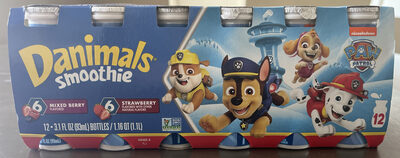
No, this specific Smoothie product is not vegan. While it markets itself as a fruit and vegetable blend, a closer look at the label reveals two major animal-derived ingredients: dairy milk and Vitamin D3. If you are adhering to a strict plant-based diet, this is not a safe option for you.
The Ingredient Breakdown
As a food scientist, I always tell my readers that the name of a product can be deceiving. While we often associate the word "Smoothie" with blended fruits and vegetables, this specific formulation is actually a cultured dairy drink that mimics the texture of a smoothie. Let's look at the evidence.
The very first ingredient listed is CULTURED GRADE A LOW FAT MILK. This is the base of the product. It is not almond milk, oat milk, or soy milk; it is literally cow's milk that has been fermented with yogurt cultures. Because the primary component is dairy, the product fails the vegan test immediately.
Furthermore, we must look at the fortification. The ingredients list includes VITAMIN D3. In the food industry, Vitamin D3 (cholecalciferol) is almost exclusively derived from lanolin, a waxy substance harvested from the grease in sheep's wool. While Vitamin D2 is typically vegan, D3 is almost always an animal byproduct. This hidden ingredient makes the product unsuitable for vegans even if the dairy aspect was somehow overlooked.
Finally, the texture is manipulated using MODIFIED FOOD STARCH. While this is often vegan (usually derived from corn), in a dairy-based product, it serves to thicken the milk and fruit mixture, creating a mouthfeel similar to a traditional fruit smoothie without relying on fruit fiber alone.
Nutritional Value
From a nutritional standpoint, this product is designed as a fortified snack rather than a whole-food meal. Because it is based on Grade A Low Fat Milk, it provides a decent amount of calcium and protein, typically around 5-8 grams per serving. However, it also contains CANE SUGAR and MODIFIED FOOD STARCH, which contribute to the carbohydrate count.
For those monitoring their sugar intake, this is an important factor. While it contains fruit and vegetable juice for color, the added cane sugar likely pushes the total sugar content higher than a homemade smoothie. It fits within a standard diet as a treat, but it is not a low-sugar option.
Frequently Asked Questions
Does Smoothie contain dairy or gluten?
Is Smoothie good for weight loss?
Where can I buy Smoothie?
Is Smoothie safe for kids?
Smoothie
Vegan Analysis
We recommend searching for certified Vegan alternatives.
Pro Tip
Always double-check the label. Manufacturers change ingredients frequently without notice!