
Is Snap’d Vegan? An Investigative Ingredient Analysis
No, Snap’d crackers are not vegan. While they may look like a standard savory snack, a closer look at the ingredient label reveals several animal-derived products that make them unsuitable for a plant-based lifestyle. Specifically, the presence of multiple dairy ingredients is the primary reason for this verdict.
The Ingredient Breakdown
As a food scientist, I always look past the marketing on the front of the box and go straight to the ingredient list on the back. For Snap’d White Cheddar crackers, the picture becomes clear very quickly. While the base of the cracker is plant-derived, the flavor profile relies heavily on animal by-products.
The most obvious culprits are found in the cheese flavoring. Ingredients like white cheddar cheese, cheddar cheese, and cultured nonfat milk are direct dairy sources. Dairy is an animal product, strictly excluded from vegan diets. Additionally, whey and buttermilk are also present; these are by-products of the cheese and butter manufacturing process, derived from milk.
It isn't just the cheese flavoring that poses an issue. The ingredient list also includes sour cream, another dairy staple used to provide a tangy profile. Even the monosodium glutamate (MSG) and disodium inosinate, while often synthetically produced, are frequently processed using animal products or tested on animals, though the primary flag here remains the obvious dairy content.
Finally, we must look at the natural flavor. In the food industry, 'natural flavor' is a broad term. While it can be plant-derived, when paired with dairy ingredients like whey and cheese, there is a high probability that the natural flavor contains animal derivatives to enhance the savory taste.
Nutritional Value
From a nutritional standpoint, Snap’d are a calorie-dense snack. A standard serving contains roughly 140 calories, primarily derived from soybean oil and enriched flour. The fat content is significant, sitting around 6-7 grams per serving, which contributes to the flaky texture but also adds to the caloric load.
The sugar content is relatively low compared to sweet snacks, usually under 2 grams, but the sodium content is high due to the salt, cheese, and MSG. For those monitoring sodium intake, this is a factor to consider. The presence of oat fiber adds a small amount of dietary fiber, but not enough to classify this as a 'health food.' It fits into a standard diet as an occasional indulgence, but it does not offer significant nutritional benefits.
Frequently Asked Questions
Does Snap’d contain dairy or gluten?
Is Snap’d good for weight loss?
Where can I buy Snap’d?
Is Snap’d safe for kids?
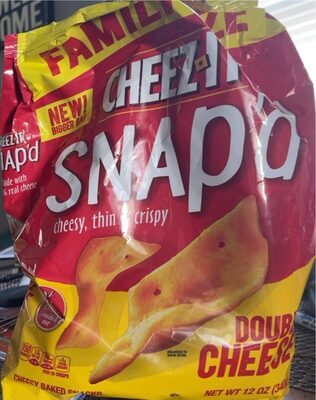
Snap’d
Vegan Analysis
We recommend searching for certified Vegan alternatives.
Pro Tip
Always double-check the label. Manufacturers change ingredients frequently without notice!