
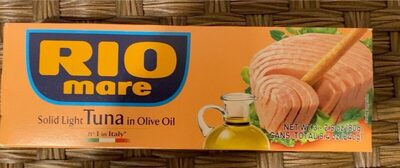
Is Solid light tuna in olive oil Kosher?
Yes, Solid light tuna in olive oil is generally considered Kosher. This product relies on a simple, clean ingredient list—Solid Light Tuna, Olive Oil, and Salt—which avoids the common non-Kosher culprits like animal by-products or complex additives. For those adhering to Kosher dietary laws, this specific combination is typically safe to consume, provided it carries a reliable certification symbol.
The Ingredient Breakdown
When determining if a packaged food meets Kosher standards, we look at the source of every ingredient and how it is processed. For Solid Light Tuna packed in Olive Oil and Salt, the verdict is straightforward because the list is short and the sources are inherently permissible.
The primary ingredient, Solid Light Tuna (specifically Thunnus neothunnus or albacore), is a fish with fins and scales. According to Kosher law, all fish with these physical characteristics are permissible to eat. Unlike meat or poultry, fish does not require ritual slaughter, nor does it need to be soaked and salted to remove blood. However, it is crucial to note that while the fish itself is Kosher, the canning facility must be free of cross-contamination with non-Kosher seafood, such as shellfish. Most major brands address this by obtaining a Hechsher (Kosher certification) from a reputable rabbinical agency.
The Olive Oil used in the packing medium is naturally Kosher. Olive oil is a plant-based product, and unless it is blended with other non-Kosher oils or flavored with additives, it poses no dietary concerns. Finally, Salt is a mineral and is inherently Kosher. The only risk with salt is if it is processed on equipment used for non-Kosher products, but this is extremely rare. Therefore, the core components of this tuna meet the requirements for a Kosher diet.
Nutritional Value
From a nutritional standpoint, Solid light tuna in olive oil is a dense source of energy and macronutrients. A standard serving typically contains between 120 and 160 calories, with the majority of these calories coming from fats due to the olive oil packing medium. While olive oil is a source of heart-healthy monounsaturated fats, the caloric density means portion control is essential for those monitoring their intake.
Protein content is high, usually offering around 15 to 20 grams per serving, making it an excellent option for muscle repair and satiety. Regarding carbohydrates and sugar, this product contains zero grams, which fits perfectly into low-carb or ketogenic diet limits. However, consumers should be mindful of sodium; while salt is a necessary ingredient for flavor, it can contribute significantly to daily sodium limits. If you are watching your blood pressure or salt intake, this product should be consumed in moderation.
Frequently Asked Questions
Does Solid light tuna in olive oil contain dairy or gluten?
Is Solid light tuna in olive oil good for weight loss?
Where can I buy Solid light tuna in olive oil?
Is Solid light tuna in olive oil safe for kids?
Pro Tip
Always double-check the label. Manufacturers change ingredients frequently without notice!