
Is Sour cream Vegan?
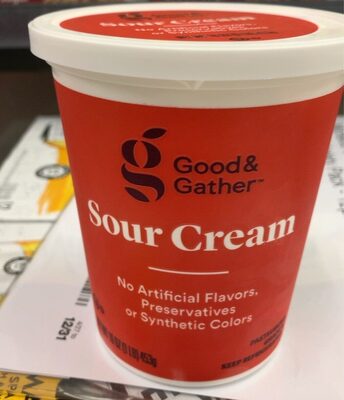
No, traditional sour cream is not vegan. As a dairy product derived from animal milk, it is strictly off-limits for those following a plant-based lifestyle. In this article, we will break down exactly why standard sour cream doesn't fit vegan dietary requirements and explore the best alternatives.
The Ingredient Breakdown
When analyzing whether a food product is vegan, we look strictly at the source of its ingredients. Standard sour cream is a classic dairy staple, and its production process relies entirely on animal agriculture. Let's look at the typical ingredients found in a standard container of sour cream: cultured pasteurized grade A cream, nonfat milk solids, and enzyme.
The primary ingredient, cultured pasteurized grade A cream, is the defining factor here. Cream is the high-fat layer skimmed from the top of milk before homogenization. Since this milk comes from cows, the cream is an animal byproduct. The 'cultured' aspect refers to the addition of lactic acid bacteria, which ferment the lactose in the cream, giving it that signature tangy flavor and thick texture. While the bacteria are microscopic organisms, the medium they grow in (animal cream) makes the final product non-vegan.
Equally important is the inclusion of nonfat milk solids. These are simply milk with the fat removed—essentially concentrated protein and lactose powder derived from cow's milk. Manufacturers add this to improve the texture, stability, and mouthfeel of the sour cream, ensuring it remains thick and creamy rather than separating. Finally, the enzyme listed is usually rennet or a microbial enzyme used to help coagulate the milk during the initial cheese-making or culturing process. While enzymes can sometimes be plant-derived, in conventional dairy products like sour cream, they are almost always sourced from animal stomachs or lab-grown bacteria cultures fed on dairy.
Nutritional Value
From a nutritional standpoint, sour cream is a calorie-dense food primarily composed of fat. A standard two-tablespoon serving typically contains around 60 calories, with the vast majority coming from saturated fat. While fat is an essential macronutrient, the high concentration of saturated fat in dairy-based sour cream means it should be consumed in moderation, particularly for those monitoring heart health or cholesterol levels.
In terms of sugar, traditional sour cream is very low in carbohydrates and sugar, usually containing less than 1 gram per serving. The fermentation process consumes most of the lactose (milk sugar), which is why some people with lactose intolerance find they can tolerate sour cream better than milk. However, it is not a significant source of vitamins or minerals compared to other dairy products like yogurt or cheese. It fits into a keto or low-carb diet easily due to its macros, but for those seeking nutrient-dense foods, it offers mostly fat and minimal protein.
Frequently Asked Questions
Does Sour cream contain dairy or gluten?
Is Sour cream good for weight loss?
Where can I buy Sour cream?
Is Sour cream safe for kids?

Sour cream
Vegan Analysis
We recommend searching for certified Vegan alternatives.
Pro Tip
Always double-check the label. Manufacturers change ingredients frequently without notice!