
Is Soy sauce Kosher?
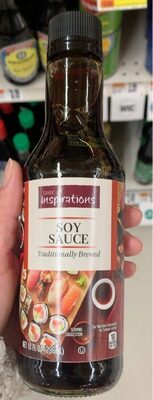
Yes, Soy sauce is Kosher. Based on a detailed analysis of its standard ingredients—water, soybeans, wheat, salt, and sodium benzoate—no non-Kosher flags were found. This makes it a safe condiment for those adhering to Kosher dietary laws.
The Ingredient Breakdown
When determining if a product like Soy sauce is Kosher, we look beyond the front label and into the chemistry of the ingredients. The specific formula provided contains water, soybeans, wheat, salt, and sodium benzoate. Let's analyze these individually.
First, the core components: soybeans and wheat. Both are plant-based and inherently Kosher (Pareve). There is no issue with the base fermentation. The water and salt are obviously compliant. The potential red flag in many processed foods is the preservative, but here we see sodium benzoate. This is a synthetic salt derived from benzoic acid, which is generally considered Kosher provided it is manufactured in a facility that handles Kosher ingredients. Since no animal-derived enzymes or by-products are listed, the chemical profile is clean.
However, context is key in food science. While this specific ingredient list is Kosher, traditional brewing methods can sometimes involve alcohol as a solvent or fermentation aid. The provided list does not include alcohol, further solidifying the Kosher status. If you were buying a generic bottle at the store, you would look for a 'K' or 'U' symbol, but based on these raw materials, the product is fundamentally Kosher.
Nutritional Value
Soy sauce is a condiment defined by its high sodium content and low caloric density. A standard serving contains very few calories, usually under 10 per teaspoon, and negligible fat. The primary nutritional concern is the sodium levels, which can be quite high—often exceeding 900mg per tablespoon. For those on a low-sodium diet, this is a significant factor to consider regardless of the Kosher status.
In terms of sugar and carbohydrates, Soy sauce typically contains trace amounts, making it relatively neutral for blood sugar spikes compared to sweet barbecue sauces. It fits well into low-carb and Keto diets due to its lack of sugar. While it provides a small amount of protein from the soybeans, it is not a significant source of macronutrients. It is best used sparingly to flavor food rather than as a nutritional supplement.
Frequently Asked Questions
Does Soy sauce contain dairy or gluten?
Is Soy sauce good for weight loss?
Where can I buy Soy sauce?
Is Soy sauce safe for kids?
Pro Tip
Always double-check the label. Manufacturers change ingredients frequently without notice!