
Is Soy & Scallion Noodles Gluten Free?
If you are looking for a gluten-free meal, you should avoid Soy & Scallion Noodles. Despite the savory flavor profile, these noodles rely on traditional wheat-based ingredients. While they offer a convenient and tasty option for many, they are not suitable for anyone with Celiac disease or gluten sensitivity due to the specific ingredients used in both the noodle block and the seasoning packet.
The Ingredient Breakdown
As a food scientist, I always look at the source of the carbohydrates and the flavoring agents. For Soy & Scallion Noodles, the verdict is clear: they contain gluten. The primary culprit is found in the very first ingredient of the noodle block: Wheat Flour. This is the standard base for instant noodles, providing that specific chewy texture, but it is strictly off-limits for a gluten-free diet.
However, the gluten risk doesn't stop there. If you look closely at the seasoning ingredients, you will see Alcohol and Defatted Soybeans. In the context of Asian-style noodle flavoring, the alcohol is almost exclusively used as a solvent for Soy Sauce. Commercial soy sauce is traditionally brewed using wheat, making the seasoning packet just as dangerous as the noodles themselves. Additionally, the presence of Wheat listed separately in the ingredients confirms that wheat-based fillers or starches are used in the flavoring blend.
There is also a risk of cross-contamination. While not listed as an ingredient, products manufactured in facilities that process wheat often have trace amounts of gluten. However, with the explicit inclusion of wheat flour and wheat-containing soy sauce, you don't need to worry about cross-contamination—the gluten is intentionally added.
Nutritional Value
From a nutritional standpoint, Soy & Scallion Noodles are a calorie-dense, high-sodium convenience food. A standard serving typically contains between 350 to 450 calories, with a significant portion coming from High Oleic Sunflower Oil and Canola Oil. While these oils are not inherently unhealthy, the total fat content can be high for such a small portion of food.
The sodium content is the most concerning factor for health-conscious consumers. Between the Salt, Yeast Extract, and Soy Sauce components, a single packet can easily contain 30-40% of your recommended daily sodium intake. Furthermore, the inclusion of Sugar and Brown Rice Syrup adds to the glycemic load, providing a quick spike in energy but potentially leading to a crash later. While it provides a quick meal, it lacks the fiber and protein density required to keep you full for long periods.
Frequently Asked Questions
Does Soy & Scallion Noodles contain dairy or gluten?
Is Soy & Scallion Noodles good for weight loss?
Where can I buy Soy & Scallion Noodles?
Is Soy & Scallion Noodles safe for kids?
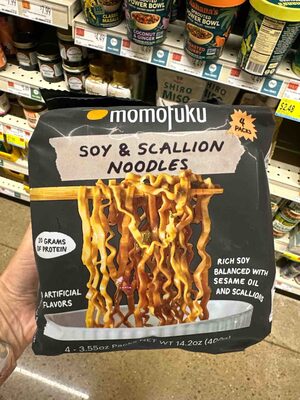
Soy & Scallion Noodles
Gluten Free Analysis
We recommend searching for certified Gluten Free alternatives.
Pro Tip
Always double-check the label. Manufacturers change ingredients frequently without notice!