
Is Soylent Gluten Free?
The short answer is: **Maybe**. While Soylent does not list wheat, rye, or barley on its ingredient label, it contains 'Modified Food Starch,' which can be derived from wheat. Unless the packaging explicitly states 'Certified Gluten-Free,' there is a risk of cross-contamination or hidden gluten sources. Here is the breakdown of why this meal replacement is a gray area for those with Celiac disease.
The Ingredient Breakdown
As a food scientist, I look beyond the marketing claims and straight into the chemistry of the bottle. Soylent is designed to be a complete nutritional profile, but for those avoiding gluten, the devil is in the details.
Let's look at the primary ingredients. The protein source is Soy Protein Isolate. Soy is naturally gluten-free, so that is safe. The carbohydrates come from a mix of Maltodextrin, Isomaltulose, and Soluble Corn Fiber. All of these are derived from corn or sugar beets, which are safe for a gluten-free diet.
However, the ingredient Modified Food Starch is the red flag here. In the United States, 'Modified Food Starch' on a label can legally be derived from wheat. While manufacturers often use corn or potato, they are not required to specify the source unless it is an allergen. Because Soylent is not marketed as a gluten-free product, they do not guarantee that this starch isn't wheat-based.
Furthermore, there is the issue of cross-contamination. Soylent is produced in a facility that likely handles various grains. Without a dedicated gluten-free certification, microscopic traces of gluten from shared equipment could contaminate the final product. For a regular consumer, this might not matter, but for someone with Celiac disease, this poses a significant health risk.
Nutritional Value
Soylent is engineered for efficiency, not necessarily for 'clean eating' purists. A standard bottle contains roughly 400 calories, 20g of protein, and 36g of carbohydrates. The protein content is excellent for a plant-based source, providing a complete amino acid profile thanks to the soy isolate.
Regarding sugar, Soylent uses Isomaltulose and Sucralose. Isomaltulose is a low-glycemic carbohydrate, meaning it won't spike your blood sugar as hard as regular table sugar, but it still contributes to the total carb count. The use of Sucralose (an artificial sweetener) keeps the sugar content low while maintaining sweetness, which is a standard practice in the meal replacement industry.
From a lipid perspective, the blend of Canola and Sunflower oils provides essential Omega-6 fatty acids, though it lacks significant Omega-3s unless you supplement elsewhere. It fits well into a calorie-controlled diet for weight maintenance, but the high processing level means it lacks the fiber and phytonutrients found in whole foods.
Frequently Asked Questions
Does Soylent contain dairy or gluten?
Is Soylent good for weight loss?
Where can I buy Soylent?
Is Soylent safe for kids?
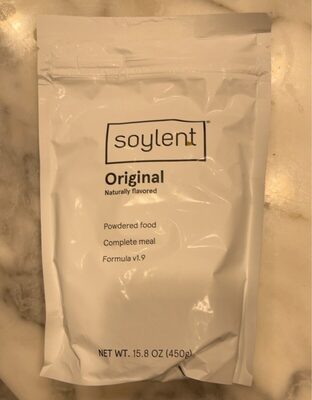
Soylent
Gluten Free Analysis
We recommend searching for certified Gluten Free alternatives.
Pro Tip
Always double-check the label. Manufacturers change ingredients frequently without notice!