
Is Spaghetti Cacio E Pepe Halal?
The direct answer to whether Spaghetti Cacio E Pepe is halal is MAYBE. While the core ingredients are plant-based and dairy, the presence of animal rennet in the cheese and ambiguous 'natural flavors' creates a gray area that requires careful consideration. This analysis breaks down exactly why this classic pasta dish might not meet strict halal dietary standards without further verification from the manufacturer.
The Ingredient Breakdown
When analyzing the halal status of a processed pasta dish like Spaghetti Cacio E Pepe, we must look beyond the delicious combination of cheese and pepper. The specific ingredients list provided—WATER, DURUM WHEAT SEMOLINA, PECORINO ROMANO CHEESE, MILK, WHEAT FLOUR, CREAM, BUTTER, GROUND BLACK PEPPER, and SALT—reveals two primary points of concern for the halal consumer.
The most significant flag is the PECORINO ROMANO CHEESE. Traditional Pecorino Romano is made using animal rennet, which is an enzyme extracted from the stomach lining of a young ruminant (usually a lamb). Since rennet is not derived from a plant source and the animal was not slaughtered according to Islamic rites, cheese made with animal rennet is generally considered non-halal. While microbial or vegetable rennet exists, the ingredient list here does not specify which type is used, leaving the consumer in the dark.
The second, more subtle flag is the inclusion of NATURAL FLAVOR listed under the BUTTER ingredient. In food science, 'natural flavor' is a broad term that can include animal-derived compounds. For example, natural butter flavor often contains traces of animal products or is processed in a way that makes its halal status ambiguous. Without a specific halal certification on the packaging, these hidden ingredients make the product a 'maybe' rather than a definite 'yes'.
Nutritional Value
From a nutritional standpoint, Spaghetti Cacio E Pepe is a calorie-dense comfort food. The combination of durum wheat semolina, butter, cream, and cheese results in a meal that is high in carbohydrates and fats. A single serving typically contains a significant amount of saturated fat due to the dairy content, which is something to monitor if you are managing heart health or cholesterol levels.
Sugar content in savory pasta dishes is often a hidden concern, but in this specific formulation, there are no added sugars listed. The carbohydrates come strictly from the wheat semolina. However, the sodium content is likely elevated due to the salt added to the pasta and the natural saltiness of the Pecorino Romano cheese. If you are on a low-sodium diet, this dish might exceed your daily limits per serving. It provides a quick source of energy but lacks significant fiber or micronutrients compared to a meal with added vegetables.
Frequently Asked Questions
Does Spaghetti Cacio E Pepe contain dairy or gluten?
Is Spaghetti Cacio E Pepe good for weight loss?
Where can I buy Spaghetti Cacio E Pepe?
Is Spaghetti Cacio E Pepe safe for kids?
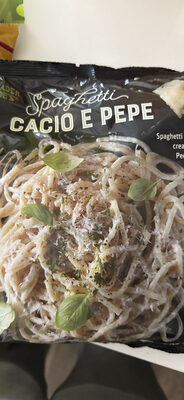
Spaghetti Cacio E Pepe
Halal Analysis
We recommend searching for certified Halal alternatives.
Pro Tip
Always double-check the label. Manufacturers change ingredients frequently without notice!