
Is SPAGHETTI & MEATBALLS Halal?
No, SPAGHETTI & MEATBALLS is not Halal. While the pasta and tomato base might seem harmless, the meat blend and specific flavorings make this product unsuitable for a Halal diet. The most critical violation is the inclusion of pork, but there are other ingredients of concern as well.
The Ingredient Breakdown
As a food scientist, I look beyond the marketing claims and straight into the formulation. When analyzing this specific SPAGHETTI & MEATBALLS product, the Halal status is compromised immediately by the meat source. The label explicitly lists a cooked ground beef and pork blend. In Islamic dietary laws, the consumption of pork is strictly forbidden (Haram). Even a small percentage of pork renders the entire dish impermissible.
However, the issues do not stop there. The meatballs also utilize cooked ground beef that is not certified Halal. In industrial food production, non-certified beef is often processed on shared equipment with pork or other non-Halal animals, creating a high risk of cross-contamination. Furthermore, the flavor profile relies on Worcestershire sauce. Traditional Worcestershire sauce is fermented with anchovies and often contains trace amounts of alcohol (ethanol) as a solvent for the flavoring agents. Alcohol is also considered Haram.
Finally, the cheese component presents a subtle but significant hurdle for strict Halal adherence. The product contains Romano cheese and a Parmesan and Asiago cheese blend. Authentic Parmesan (Parmigiano-Reggiano) and Romano are traditionally made using animal rennet, an enzyme extracted from the stomach lining of unweaned calves. Unless the label specifies that the rennet is derived from microbial or vegetable sources (which this generic brand likely does not), the cheese is considered Haram by many scholars.
Nutritional Value
From a nutritional standpoint, this SPAGHETTI & MEATBALLS meal is a standard frozen convenience food. It is calorie-dense, primarily due to the soybean oil used in the meatballs and the pasta itself. A single serving typically contains a significant amount of sodium, largely derived from the modified cornstarch, soy sauce, and added salt.
The product also contains added sugars, including corn syrup and dextrose, which are used to balance the acidity of the tomato sauce. While it provides a quick source of carbohydrates for energy, it lacks significant fiber or micronutrients. For those monitoring their sugar intake or looking for a heart-healthy option, this meal is not ideal due to the processed nature of the meat and the high sodium content.
Frequently Asked Questions
Does SPAGHETTI & MEATBALLS contain dairy or gluten?
Is SPAGHETTI & MEATBALLS good for weight loss?
Where can I buy SPAGHETTI & MEATBALLS?
Is SPAGHETTI & MEATBALLS safe for kids?
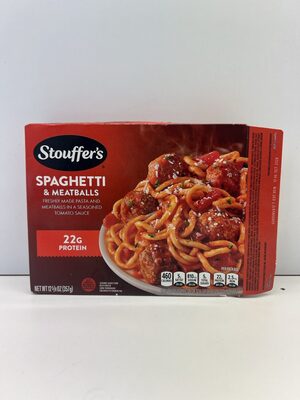
SPAGHETTI & MEATBALLS
Halal Analysis
We recommend searching for certified Halal alternatives.
Pro Tip
Always double-check the label. Manufacturers change ingredients frequently without notice!