
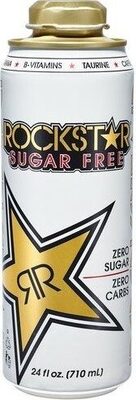
Is Sugar free energy drink Kosher?
Yes. Based on the ingredient list, there are no animal-derived ingredients and no obvious non-kosher additives. This post examines the ingredients, explains typical kosher considerations for each, and notes when certification from the manufacturer is important to confirm facility-level kosher status.
The Ingredient Breakdown
Carbonated water and citric acid form the base of the beverage and are commonly used in kosher products when produced under supervising standards. Taurine and sodium citrate are standard additives in energy drinks; taurine is typically sourced synthetically for kosher products, but certification confirms the exact source. Guarana seed extract and caffeine provide the energy kick; neither is inherently non-kosher, though source and processing can vary by facility. Caramel color gives the drink its color; some caramel colors are produced with ammonium compounds, which can require certification to verify kosher status. The natural and artificial flavors can be a source of concern unless they come with kosher certifications, as flavorings can involve processing aids that aren’t always kosher.
Sorbic acid and benzoic acid are common preservatives that are generally acceptable in kosher products when produced under proper supervision. Acesulfame potassium and sucralose are artificial sweeteners used to maintain sweetness without sugar; these additives are widely used in kosher markets, but some communities prefer certified ingredients. Pantothenic acid, niacinamide, inositol, l-carnitine, riboflavin, pyridoxine hydrochloride, and cyanocobalamin are vitamins used for fortification and are typically kosher when processed under standard conditions. Milk thistle extract and panax ginseng root extract are plant-derived; the term "milk" in the name does not indicate dairy content.
Overall, there are no explicit non-kosher ingredients listed. The main factors to verify are the kosher status of caramel color and flavors, and whether the facility has kosher certification to manage potential cross-contamination. If a reliable kosher certification mark is on the can, it provides assurance that processing aids and production lines meet kosher standards. Without certification, there remains a potential risk related to manufacturing practices, even when the ingredient list itself appears kosher.
Nutritional Value
Because this beverage is sugar-free, it contains no sugar from added or natural sugars in the form of simple carbohydrates. The use of acesulfame potassium and sucralose as sweeteners means the drink has negligible or zero calories from sugar. There is no fat or protein in the beverage, and sodium content is typically modest. The drink does contain caffeine (from caffeine and guarana seed extract), which can affect alertness and sleep patterns in sensitive individuals, including some children and pregnant individuals. Fortified vitamins such as niacinamide, riboflavin, pyridoxine hydrochloride, and cyanocobalamin are present in small amounts and contribute minimally to daily intake. Overall, the drink is compatible with many low-sugar or keto-friendly diets, but caffeine and artificial sweeteners are important considerations for certain populations.
Frequently Asked Questions
Does Sugar free energy drink contain dairy or gluten?
Is Sugar free energy drink good for weight loss?
Where can I buy Sugar free energy drink?
Is Sugar free energy drink safe for kids?
Pro Tip
Always double-check the label. Manufacturers change ingredients frequently without notice!