
Is Super C Gluten Free?
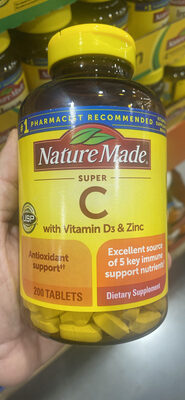
Yes, Super C is gluten-free. Based on the ingredient list provided, there are no gluten-containing grains like wheat, barley, or rye present. This makes it a suitable option for those managing celiac disease or gluten sensitivity. Let's break down exactly what is inside this supplement and why it passes the gluten test.
The Ingredient Breakdown
When determining if a supplement is safe for a gluten-free diet, we have to look beyond just the main active ingredients and scrutinize the excipients—the fillers and binders that hold the tablet together. For Super C, the verdict is clear: the formulation relies on starches and gels that are naturally free from gluten.
The primary bulking agents listed are Cellulose Gel and Modified Food Starch. Cellulose gel is derived from plant fiber, typically wood pulp or cotton, and is chemically distinct from gluten proteins. Modified food starch can be a source of confusion, but in the context of a supplement like this, it is almost exclusively sourced from corn or tapioca. If it were derived from wheat, FDA labeling laws would require it to be declared as 'Modified Wheat Starch.' Since it is not, we can assume it is corn-based and safe.
Another key ingredient is Rice Starch. As the name implies, this comes from rice, which is a gluten-free grain. It serves a similar function to the cellulose and modified starch, acting as a binder to keep the tablet intact. We also see Isomalt, a sugar alcohol used as a sweetener and bulking agent. Isomalt is synthesized from sucrose (sugar) and is naturally gluten-free.
Finally, we must address the binders and flow agents: Magnesium Stearate and Medium Chain Triglycerides. Magnesium stearate is a salt of stearic acid, often derived from vegetable oils or sometimes animal fats, but it contains no gluten proteins. Medium Chain Triglycerides (MCTs) are fats usually extracted from coconut or palm oil. Both are safe. The only animal-derived ingredient is Gelatin, which makes this product not vegetarian, but it is still gluten-free. There are no red flags in this ingredient profile for gluten sensitivity.
Nutritional Value
While Super C passes the gluten-free test, it is important to look at what else it brings to the table nutritionally. The 'C' in Super C stands for Vitamin C (ascorbic acid), which is a powerful antioxidant essential for immune function and skin health. However, the nutritional profile of a tablet is defined by its inactive ingredients as well.
Based on the inclusion of Isomalt, this product likely has a slightly sweet taste to offset the tartness of the Vitamin C. Isomalt is a sugar alcohol, which means it has fewer calories than regular sugar and does not spike blood glucose levels as dramatically. However, consuming large amounts can cause digestive discomfort in some people. The presence of Modified Food Starch and Cellulose adds negligible caloric value but contributes to the texture and size of the tablet.
If you are monitoring your intake of additives, the combination of these ingredients is relatively benign compared to more synthetic fillers like talc. It fits well within the limits of a standard diet, but if you are strictly avoiding all processed additives, this is still a processed supplement.
Frequently Asked Questions
Does Super C contain dairy or gluten?
Is Super C good for weight loss?
Where can I buy Super C?
Is Super C safe for kids?
Pro Tip
Always double-check the label. Manufacturers change ingredients frequently without notice!