
Is Sweet Relish Keto?
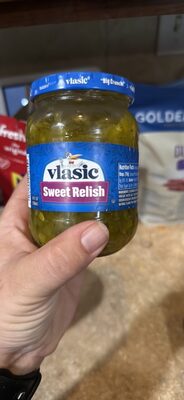
No, standard Sweet Relish is not keto-friendly. While the crunchy cucumbers and tangy vinegar seem harmless, the 'sweet' in the name comes from a heavy dose of high fructose corn syrup. This turns a potential zero-carb condiment into a sugar bomb that will spike your insulin and kick you out of ketosis.
The Ingredient Breakdown
As a food scientist, I look past the marketing on the jar and go straight to the formulation. When analyzing a standard jar of Sweet Relish, the ingredient list tells a story of preservation, texture, and, most importantly, added sugar. Here is why this condiment fails the keto test.
The primary offender is High Fructose Corn Syrup. This is the second ingredient listed, meaning it is present in a higher quantity than the vinegar. For a ketogenic diet, the goal is to limit carbohydrates to 20-50 grams per day and keep insulin levels low. High fructose corn syrup is a concentrated liquid sugar that is rapidly absorbed, causing an immediate glucose spike that is strictly off-limits on keto.
Next, we have the corn-derived additives. The presence of Polysorbate 80 and Calcium Chloride is significant. Polysorbate 80 is an emulsifier often derived from corn, sorbitan, and ethylene oxide. While not a carbohydrate itself, it is a processed industrial additive that many clean-keto followers avoid. More critically, Alum (aluminum potassium sulfate) is used to keep the cucumbers crisp. While chemically inert in small amounts, it is a distinct marker of mass-produced, non-organic processing.
Finally, we cannot ignore the artificial components. Yellow 5 (Tartrazine) is a synthetic coal-tar dye used to give the relish that vibrant, neon-green appearance. It provides zero nutritional value and is a red flag for anyone following a whole-foods-based keto approach. The combination of corn syrup and artificial additives makes this product a 'dirty keto' nightmare at best, and a sugar trap at worst.
Nutritional Value
Looking at the nutritional profile of Sweet Relish, the numbers are deceptive if you don't pay attention to serving size. A standard serving size is usually just one tablespoon (around 15g). In that small spoonful, you are looking at roughly 3 to 5 grams of total carbohydrates, with almost all of it coming from sugar.
While 3 grams of carbs might not sound catastrophic, condiments are the silent killers of a ketogenic diet. Relish is rarely eaten in isolation; it is piled onto burgers, mixed into tuna salad, or heaped onto hot dogs. It is incredibly easy to consume 4 or 5 tablespoons in a single meal. If you do that, you have inadvertently ingested 20 grams of sugar, which is your entire daily carb allowance on a strict keto diet.
Furthermore, the calorie count is low, but the 'empty calorie' label applies here. There is no fat to speak of, and the protein content is negligible. In the context of the ketogenic diet, which prioritizes high-fat, moderate-protein, and low-carb intake, Sweet Relish offers nothing but carbohydrates and empty calories. It does not fit the macronutrient ratios required to maintain ketosis.
Frequently Asked Questions
Does Sweet Relish contain dairy or gluten?
Is Sweet Relish good for weight loss?
Where can I buy Sweet Relish?
Is Sweet Relish safe for kids?
Sweet Relish
Keto Analysis
We recommend searching for certified Keto alternatives.
Pro Tip
Always double-check the label. Manufacturers change ingredients frequently without notice!