
Is Tartar Sauce Gluten-Free? An Investigative Breakdown
Is Tartar sauce gluten-free? The short answer is MAYBE. While this classic seafood condiment looks harmless, a single ambiguous ingredient—modified food starch—can introduce hidden gluten. Before you dip your fish and chips, let's investigate exactly what is inside that bottle and determine if it's safe for a gluten-free diet.
The Ingredient Breakdown
As a food scientist, I look beyond the front of the label to the chemistry inside. Tartar sauce is an emulsion, essentially a stable mixture of oil and water held together by emulsifiers. While the base ingredients are generally safe, the devil is in the details.
The primary suspect for gluten contamination is Modified Food Starch. In the United States, this ingredient is a regulatory gray area. It can be derived from corn, potato, or tapioca, all of which are naturally gluten-free. However, it can also be derived from wheat. Unless the label explicitly states 'Modified Corn Starch' or 'Modified Tapioca Starch,' there is a risk that the starch contains gluten proteins.
Fortunately, the other thickening agents present are safer. Xanthan Gum is a polysaccharide produced by fermentation and is universally gluten-free. It is a standard thickener in gluten-free products. The preservatives listed, such as Potassium Sorbate and Calcium Disodium EDTA, are chemical compounds that do not contain gluten.
Regarding allergens, the label clearly lists Egg Yolk and Soybean Oil. While soy is gluten-free, those with Celiac disease should be aware that highly processed vegetable oils are sometimes extracted using wheat-based solvents, though this is rare in consumer-grade products. The flavorings, including Natural Dill Flavor, are generally safe, but complex 'natural flavors' can sometimes hide processing aids derived from gluten sources.
Nutritional Value
From a nutritional standpoint, Tartar sauce is a calorie-dense condiment primarily due to its Soybean Oil content. A standard serving (one tablespoon) typically contains 60 to 80 calories, almost entirely from fat. While it adds significant flavor, it also contributes to your daily saturated fat intake.
Another concern is the sugar content. This specific ingredient list includes High Fructose Corn Syrup and Sugar. These are added to balance the acidity of the vinegar and pickles, but they contribute empty calories. If you are monitoring your sugar intake or managing diabetes, this condiment should be used sparingly. It fits into a diet only in very small quantities as a flavor enhancer rather than a nutritional food source.
Frequently Asked Questions
Does Tartar sauce contain dairy or gluten?
Is Tartar sauce good for weight loss?
Where can I buy Tartar sauce?
Is Tartar sauce safe for kids?
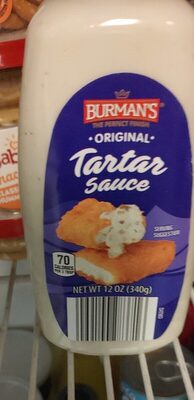
Tartar sauce
Gluten Free Analysis
We recommend searching for certified Gluten Free alternatives.
Pro Tip
Always double-check the label. Manufacturers change ingredients frequently without notice!