
Is Tartar Sauce Halal?
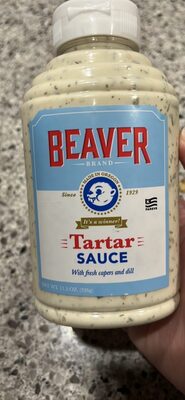
Yes, the tartar sauce in question is Halal. Our analysis of the ingredient list reveals no alcohol, pork derivatives, or animal shortening. While it does contain eggs, which are permissible in Islam, you can enjoy this condiment with confidence.
The Ingredient Breakdown
When determining if a condiment is Halal, we look for the 'big three' prohibitions: alcohol, pork, and meat not slaughtered according to Islamic law. The primary fat in this sauce is soybean oil, a plant-based ingredient that is universally Halal. This is a crucial starting point, as some sauces use animal fats.
The creamy texture comes from eggs. In Islamic dietary laws, eggs from permissible birds (like chickens) are considered Halal. There is no issue here provided they are from a Halal source, which is standard for commercial eggs in most markets.
Regarding acidity and preservation, we see white distilled vinegar, lemon juice, and citric acid. While some scholars debate the permissibility of wine vinegar, distilled vinegar is widely accepted as Halal because the distillation process removes any impurities and alcohol content. The preservatives listed, such as sodium benzoate and sorbic acid, are synthetic chemicals and pose no Halal concerns.
Finally, the flavor profile is built on mustard seed, spices, garlic, dill weed, and natural flavors. These are all plant-derived or synthetic flavorings. The color comes from turmeric and paprika. None of these ingredients are flagged as Haram.
Nutritional Value
While Halal certification focuses on permissibility, it is also important to consider the nutritional profile. This tartar sauce is a condiment, meaning it is used in small quantities, but it is calorie-dense due to the soybean oil. A standard serving contains a significant amount of fat, which contributes to its rich mouthfeel.
Keep an eye on the sugar content. The ingredient list includes high fructose corn syrup and sugar. While these are Halal, they add empty calories and can spike blood sugar levels. If you are monitoring your sugar intake or managing diabetes, this sauce should be consumed in moderation.
Sodium is another factor to watch. Between the salt, sodium benzoate, and other sodium-containing additives, the sodium count can add up quickly. It fits within a standard diet if used sparingly, but it is not a 'low-sodium' product.
Frequently Asked Questions
Does Tartar Sauce contain dairy or gluten?
Is Tartar Sauce good for weight loss?
Where can I buy Tartar Sauce?
Is Tartar Sauce safe for kids?
Pro Tip
Always double-check the label. Manufacturers change ingredients frequently without notice!