
Is Thai Peanut Satay Sauce Kosher?
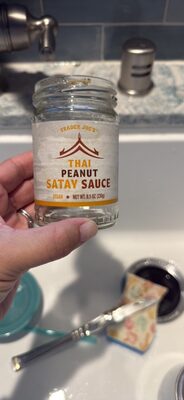
Yes, Thai Peanut Satay Sauce is kosher. Based on a detailed analysis of its ingredient list, this sauce relies entirely on plant-based components and natural flavorings, making it suitable for a kosher diet. There are no animal-derived ingredients or obvious processing contaminants to worry about.
The Ingredient Breakdown
When determining if a sauce is kosher, we first look for the obvious red flags: dairy, meat, and non-kosher animal derivatives. This Thai Peanut Satay Sauce passes the first test with flying colors. The creaminess you taste comes entirely from COCONUT MILK, not dairy. This is a crucial distinction, as it keeps the sauce 'pareve' (neutral), meaning it can be eaten with meat or dairy meals without violating dietary laws.
The sweetener profile is straightforward. A combination of COCONUT SUGAR and standard SUGAR provides the characteristic sweetness of Satay. Both are derived from plants and are inherently kosher. The savory depth comes from a blend of aromatics like SHALLOT, GARLIC, and LEMONGRASS, along with spices including CUMIN, CORIANDER, and WHITE PEPPER. These are all standard culinary spices that pose no kosher concerns.
Finally, we look for hidden processing agents. The acidity is regulated by CITRIC ACID, a standard food-grade acid usually derived from the fermentation of sugar (often corn or molasses), which is kosher. The oil used is RICE BRAN OIL, a plant-based oil that is widely accepted in kosher certification. There are no artificial colors, alcohol-based extracts, or animal-based thickeners listed.
Nutritional Value
While this sauce is kosher, it is important to view it through a nutritional lens. The primary ingredients by volume are COCONUT MILK and sugars (COCONUT SUGAR and SUGAR). This combination means the sauce is likely high in calories and fat, specifically saturated fat from the coconut product, and moderate to high in sugar. It is designed as a flavor enhancer rather than a health food.
If you are monitoring your sugar intake or following a strict low-fat diet, this sauce should be consumed in moderation. However, because it is free from dairy and gluten, it fits well into specific dietary protocols that restrict those allergens. The fat content provides satiety, which can be beneficial, but portion control is key to keeping the calorie count within a reasonable limit for a single meal.
Frequently Asked Questions
Does Thai Peanut Satay Sauce contain dairy or gluten?
Is Thai Peanut Satay Sauce good for weight loss?
Where can I buy Thai Peanut Satay Sauce?
Is Thai Peanut Satay Sauce safe for kids?

Pro Tip
Always double-check the label. Manufacturers change ingredients frequently without notice!