
Is Thin Mints Halal?
The short answer is: **Maybe**. For most casual consumers, the ingredients list appears free of obvious haram substances like alcohol or pork. However, for those adhering to strict halal standards, the lack of certification and the ambiguous 'natural flavor' ingredient creates a significant gray area that requires a deeper look.
The Ingredient Breakdown
When analyzing the ingredients of a standard Thin Mint cookie, the primary concern isn't what is explicitly listed, but rather what is hidden behind vague terminology. The cookie consists of a chocolate cookie base coated in a mint-chocolate glaze. The main ingredients include sugar, palm kernel oil, and whole milk powder. From a strictly ingredient-based perspective, these are all plant-derived or dairy-based, which are generally permissible.
The first major flag for halal consumers is the natural flavor. In the food industry, 'natural flavor' can be derived from both plant and animal sources. While the mint profile strongly suggests a plant origin (peppermint oil is also listed separately), there is no guarantee that the natural flavoring agent wasn't processed using animal-derived enzymes or carriers. Without specific disclosure from the manufacturer, this remains an uncertainty.
The second consideration is confectioner's glaze. This ingredient gives the cookie its shiny finish. Confectioner's glaze is often made from shellac, a resin secreted by the female lac bug. While this is an insect byproduct, it is generally considered halal by many scholars as it falls under the category of sea creatures or insects that are permissible to consume. However, some stricter interpretations may avoid it. Finally, the enriched flour (wheat) is safe, but the lack of a Halal certification symbol on the packaging means the facility may process other products containing alcohol or animal fats, introducing the risk of cross-contamination.
Nutritional Value
From a nutritional standpoint, Thin Mints are a high-calorie, high-sugar treat. A single serving (typically 4 cookies) contains around 160 calories, with a significant portion coming from sugar and palm oil. The cookies contain whole milk powder and whey powder, making them unsuitable for those with dairy allergies or vegan diets. While they provide a quick energy boost due to the sugar content, they offer little in terms of vitamins or minerals despite the 'enriched flour' listing. For those monitoring their sugar intake, these cookies should be consumed sparingly as an occasional indulgence rather than a regular snack.
Frequently Asked Questions
Does Thin Mints contain dairy or gluten?
Is Thin Mints good for weight loss?
Where can I buy Thin Mints?
Is Thin Mints safe for kids?
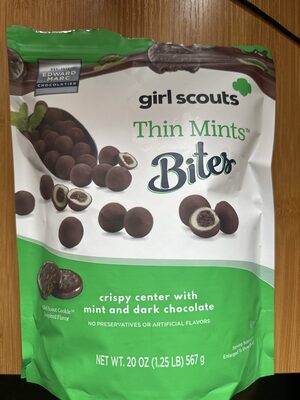
Thin Mints
Halal Analysis
We recommend searching for certified Halal alternatives.
Pro Tip
Always double-check the label. Manufacturers change ingredients frequently without notice!