
Is Tomato Basil Pizza Halal?
Is Tomato Basil Pizza halal? The direct answer is MAYBE. While this pizza avoids obvious red flags like pork or alcohol, it contains ambiguous ingredients that require a closer look. Before you take a bite, let's investigate the specific components to determine if this meal aligns with your dietary standards.
The Ingredient Breakdown
When determining if a processed food is halal, we must look beyond the main attractions like tomato and basil. The devil is often in the details, specifically in the additives used for flavor and texture. Here is a detailed analysis of the ingredients provided for this Tomato Basil Pizza.
First, let's look at the base. The crust is made of whole grain wheat and canola oil. Wheat is naturally halal, and canola oil is a plant-based fat, making the foundation of this pizza safe for consumption. Similarly, the tomato powder, sea salt, spices, garlic powder, and onion powder are all plant-derived and pose no religious concerns.
The primary concern for vegetarians—and a point of curiosity for halal consumers—is the parmesan cheese powder. This ingredient is listed as containing cultured milk, salt, and enzymes. In the vast majority of commercial cheese production, the enzymes used are microbial or vegetable-based, which are halal. However, traditional Parmigiano-Reggiano uses animal rennet (from calves), which is a gray area for some scholars. Without a halal certification, we cannot guarantee the source of the enzymes, but they are not an automatic disqualifier.
The most significant flag in this ingredient list is natural flavor. This is a catch-all term used by food manufacturers to protect proprietary recipes. While 'natural flavor' is derived from plant or animal sources, it can sometimes contain trace amounts of alcohol as a solvent or carrier. Because the specific source is not disclosed, we cannot confirm with 100% certainty that it is free from non-halal elements. This ambiguity is the primary reason the verdict remains 'MAYBE' rather than a definitive 'Yes'.
Nutritional Value
While the halal status is the main focus, the nutritional profile of this pizza is also worth noting. The presence of whole grain wheat suggests a slightly higher fiber content than a standard white flour crust, which is beneficial for digestion and satiety. However, the inclusion of sugar and parmesan cheese powder contributes to the overall calorie and sodium count.
Processed foods like this often rely on sodium and sugar to enhance flavor, so portion control is key if you are monitoring your blood pressure or sugar intake. The canola oil and olive oil provide the fat content; while these are sources of unsaturated fats, the total fat per serving can add up quickly. This pizza fits into a balanced diet as an occasional treat rather than a daily staple, particularly for those watching their caloric density.
Frequently Asked Questions
Does Tomato Basil Pizza contain dairy or gluten?
Is Tomato Basil Pizza good for weight loss?
Where can I buy Tomato Basil Pizza?
Is Tomato Basil Pizza safe for kids?
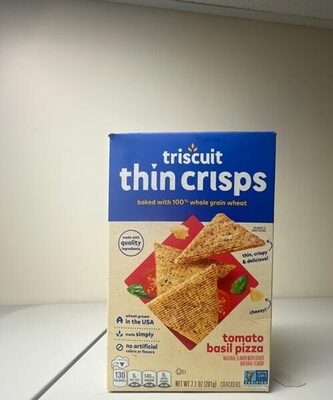
Tomato Basil Pizza
Halal Analysis
We recommend searching for certified Halal alternatives.
Pro Tip
Always double-check the label. Manufacturers change ingredients frequently without notice!