
Is Traditional norwegian brown cheese Kosher?
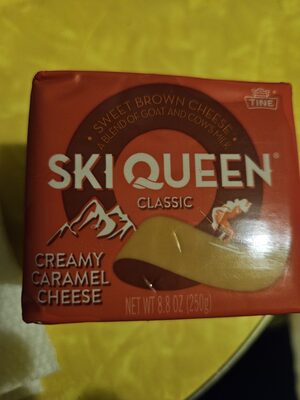
Yes, Traditional Norwegian brown cheese (Brunost) is generally considered Kosher. While it is a dairy product, the specific ingredients—whey, goat's milk, and cow's cream—do not present the inherent non-Kosher risks associated with meat or hidden animal enzymes. This article investigates the production process to confirm why this beloved Norwegian staple fits within Kosher guidelines.
The Ingredient Breakdown
To understand why this cheese is Kosher, we must look at the three core components: rennet whey, pasteurized goat's milk, and pasteurized cow's cream and milk. The primary concern for any cheese regarding Kosher laws is the source of the coagulant (rennet) used to separate the curds. However, in the case of Norwegian brown cheese, the product is unique because it is essentially a caramelized whey cheese. The 'rennet whey' listed indicates that standard cheese-making techniques were used initially, but the final product is derived from the liquid whey, not the curd. If the rennet used was microbial or vegetable-based—which is standard for most modern commercial cheeses—it is immediately Kosher. Even if animal rennet was used, if it came from a Kosher animal (like a cow or goat) slaughtered according to Jewish law, it remains permissible.
The other ingredients reinforce the Kosher status. Pasteurized goat's milk and cow's cream are inherently Kosher dairy products. There is no mention of non-Kosher flavorings, animal-derived additives (like gelatin), or wine. Because the ingredients are simple and the processing involves boiling down the whey with milk and cream, there are few opportunities for cross-contamination with non-Kosher substances, assuming standard manufacturing hygiene.
Nutritional Value
Norwegian brown cheese is a calorie-dense food, largely due to the concentration of sugars and fats during the boiling process. The lactose (milk sugar) in the whey is not removed; instead, it caramelizes, giving the cheese its signature sweet flavor and brown color. This results in a sugar content that is significantly higher than that of standard cheddar or Swiss cheese. While this fits within a Kosher diet, those monitoring sugar intake should be mindful of portion sizes.
Fat content is also substantial because the recipe includes cow's cream. It is a rich source of energy and provides calcium and protein, but it is not a 'low-fat' food. For individuals keeping a Kosher diet that also adheres to heart-health guidelines, this cheese should be enjoyed as an accent to a meal—perhaps thinly sliced on a waffle or bread—rather than consumed in large blocks. It fits the diet limits as an acceptable dairy treat, but moderation is key for nutritional balance.
Frequently Asked Questions
Does Traditional norwegian brown cheese contain dairy or gluten?
Is Traditional norwegian brown cheese good for weight loss?
Where can I buy Traditional norwegian brown cheese?
Is Traditional norwegian brown cheese safe for kids?

Pro Tip
Always double-check the label. Manufacturers change ingredients frequently without notice!