
Is Traditional Seitan Halal?
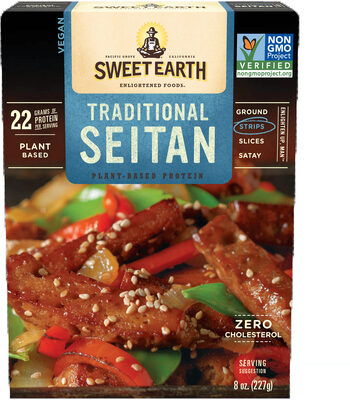
Yes, Traditional Seitan is Halal. Based on a detailed analysis of its ingredients, this product contains no alcohol, pork derivatives, or other non-compliant additives. It is a safe and delicious option for those adhering to Halal dietary guidelines.
The Ingredient Breakdown
When determining if a product is Halal, we must look beyond the surface and analyze the chemistry of the ingredients. For this Traditional Seitan, the profile is remarkably clean and straightforward. Let's look at the core components.
The primary structure comes from Water and Vital Wheat Gluten. Vital wheat gluten is simply the protein found in wheat, isolated and concentrated. It is naturally plant-based and free of any animal products, making it inherently Halal. It provides the meaty texture that seitan is famous for.
The flavor profile relies on Non-GMO Natural Soy Sauce. This is often a point of concern for some Muslims because traditional soy sauce is fermented with alcohol. However, the term 'Natural' usually implies that the alcohol has evaporated during the fermentation and pasteurization process, or that no alcohol was added as a preservative. In this specific formulation, no alcohol is listed as an ingredient, and the soy sauce acts purely as a savory seasoning.
Finally, the aromatics Ginger, Garlic, and Kombu (a type of kelp) are used. These are all plant-derived ingredients. Kombu is used to create a savory 'umami' broth, replacing the need for meat stocks. There are no hidden animal-based flavor enhancers like gelatin or animal enzymes.
Nutritional Value
From a nutritional standpoint, Traditional Seitan is a powerhouse, particularly for those looking to maintain a balanced diet. Because it is made from wheat gluten, it is exceptionally high in protein. This makes it an excellent meat alternative for muscle maintenance and satiety without the saturated fats found in red meat.
In terms of caloric density, seitan is generally moderate. It absorbs the flavors it is cooked in, so the nutritional profile can change depending on preparation, but the base product is relatively low in carbohydrates and sugars compared to processed vegan meats that rely on binders and starches. It fits well into low-carb and high-protein diet limits.
One thing to note is the sodium content, derived largely from the soy sauce. While it is not excessively high, those on strict sodium-restricted diets should be mindful of this. However, for the average diet, it provides a savory, satisfying nutritional punch without unnecessary fillers.
Frequently Asked Questions
Does Traditional Seitan contain dairy or gluten?
Is Traditional Seitan good for weight loss?
Where can I buy Traditional Seitan?
Is Traditional Seitan safe for kids?

Pro Tip
Always double-check the label. Manufacturers change ingredients frequently without notice!