
Is Traditional Yellow Mustard Gluten Free?
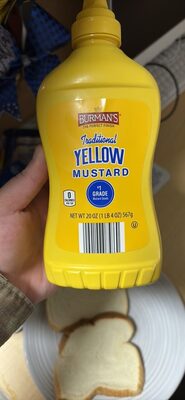
Yes, Traditional Yellow Mustard is gluten-free. Based on a strict analysis of its core ingredients—distilled vinegar, mustard seed, and turmeric—this condiment poses no gluten risk. It is a safe, tangy staple for anyone managing celiac disease or gluten sensitivity.
The Ingredient Breakdown
When investigating whether a pantry staple is safe for a gluten-free diet, the label is the ultimate authority. However, understanding the chemistry of the ingredients allows us to make an educated prediction. Traditional Yellow Mustard relies on a simple, plant-based formula that naturally avoids wheat, barley, and rye.
The primary component is distilled vinegar. There is a persistent myth that vinegar derived from gluten grains (like malt vinegar) contains gluten proteins. Scientifically, this is incorrect. The distillation process acts as a purification filter; gluten proteins are large molecules that cannot pass through vapor during distillation. Therefore, the resulting vinegar is chemically pure alcohol and water, free of gluten. Even if the source were barley (which is rare for yellow mustard), the final product would be safe.
Next, we have mustard seed. Mustard is a brassica plant seed, entirely unrelated to gluten-containing cereals. It is naturally gluten-free. The water and salt used to create the emulsion are also inherently safe. Finally, the vibrant yellow color comes from turmeric and paprika. These are dried spices derived from roots and peppers. While spices can sometimes be a hidden source of gluten due to anti-caking agents, in standard yellow mustard, they are used in pure form or as part of a pre-mixed seasoning that is verified gluten-free by the manufacturer.
Nutritional Value
Traditional Yellow Mustard is prized not just for its flavor, but for its incredibly low caloric density. A standard teaspoon typically contains fewer than 5 calories. This makes it an ideal flavor enhancer for those on strict calorie-reduction plans or weight loss journeys, as it adds significant zest without adding fat or sugar.
In terms of macronutrients, mustard is virtually fat-free and contains negligible amounts of carbohydrates or protein. The sodium content is the only nutritional factor to monitor. A teaspoon generally holds about 55-60mg of sodium. While this is moderate, it can add up if you are on a medically restricted low-sodium diet. However, compared to mayonnaise or creamy dressings, mustard is a heart-healthy choice that fits easily into most balanced nutrition plans.
Frequently Asked Questions
Does Traditional Yellow Mustard contain dairy or gluten?
Is Traditional Yellow Mustard good for weight loss?
Where can I buy Traditional Yellow Mustard?
Is Traditional Yellow Mustard safe for kids?
Pro Tip
Always double-check the label. Manufacturers change ingredients frequently without notice!