
Is Turkish Coffee Halal?
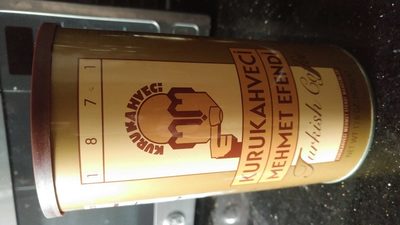
Yes, Turkish Coffee is Halal. Based on an analysis of the classic Kurukahveci Mehmet Efendi blend, this product consists of pure, finely ground 100% Arabica coffee beans with no additives. It meets all dietary requirements for Muslim consumers.
The Ingredient Breakdown
When determining if a product is Halal, we look for specific red flags: alcohol, pork derivatives (like gelatin or lard), and non-Halal certified flavorings. For this specific product, 100% Arabica Coffee is the sole active ingredient. The beans are roasted and ground to that iconic powder-fine consistency required for the traditional brewing method.
Regarding the packaging, the label mentions a 'protective atmosphere' (Schutzatmosphäre). This is a standard food preservation technique involving gases like nitrogen to prevent oxidation and does not involve any haram substances. There are no emulsifiers, preservatives, or flavor enhancers listed. Because the product is pure coffee, it is naturally vegan and Halal by default.
Nutritional Value
Turkish Coffee is unique because it is unfiltered, meaning the coffee grounds settle at the bottom of the cup and are consumed along with the liquid. A standard serving (approx. 2 oz) of this unsweetened coffee contains almost no calories, fat, or sugar. It is rich in antioxidants and caffeine.
However, the traditional preparation often involves adding sugar. If you drink it 'sade' (plain), it fits well into low-carb and keto diets. If you add sugar during brewing, the calorie count rises significantly. For those monitoring their caffeine intake, be aware that the fine grind results in a higher caffeine extraction per ounce compared to drip coffee.
Frequently Asked Questions
Does Turkish Coffee contain dairy or gluten?
Is Turkish Coffee good for weight loss?
Where can I buy Turkish Coffee?
Is Turkish Coffee safe for kids?
Pro Tip
Always double-check the label. Manufacturers change ingredients frequently without notice!