
Is Unbleached All Purpose Flour Gluten Free?
No, Unbleached All Purpose Flour is absolutely not gluten-free. Because it is derived entirely from wheat, this flour contains the gluten proteins that trigger reactions in those with celiac disease or gluten sensitivity. While it is a staple in many traditional kitchens, it is strictly off-limits for anyone requiring a gluten-free diet.
The Ingredient Breakdown
When analyzing whether a product is safe for a gluten-free diet, the source of the grain is the single most critical factor. The primary ingredient listed on the packaging of this product is unbleached enriched wheat flour. This is the standard designation for the ground endosperm of the wheat kernel. Regardless of whether the flour is bleached or unbleached, the fundamental source material remains the same: wheat.
Wheat naturally contains two specific proteins, glutenin and gliadin. When these proteins combine with water, they form gluten. Gluten gives bread its elasticity and chewy texture, but it is the exact substance that causes autoimmune reactions in people with celiac disease. Because the ingredient list explicitly states wheat flour, the presence of gluten is guaranteed.
It is also important to note the inclusion of enzymes in the ingredient list. In food science, enzymes are often added to flour to improve dough handling and baking consistency. While enzymes are generally safe, in this context, they are processing aids and do not alter the gluten content of the wheat. Therefore, the addition of enzymes does not make the product any safer for gluten-free consumption.
Nutritional Value
From a nutritional standpoint, Unbleached All Purpose Flour is a refined carbohydrate. It provides a quick source of energy due to its high carbohydrate content, but it lacks the fiber and micronutrients found in whole grain varieties. The flour is enriched, meaning that specific vitamins and minerals—specifically niacin, iron, thiamine mononitrate, riboflavin, and folic acid—are added back into the product after processing. This fortification helps prevent nutrient deficiencies, but it does not change the fact that the flour is highly processed.
Regarding macronutrients, this flour is low in fat and sugar, which is typical for raw flour. However, once baked into goods, the caloric density increases significantly. For those monitoring their blood sugar or looking to reduce their intake of refined carbohydrates, this flour should be consumed in moderation. It fits into a standard diet but offers little in terms of satiety or nutritional density compared to almond or coconut flour alternatives.
Frequently Asked Questions
Does Unbleached All Purpose Flour contain dairy or gluten?
Is Unbleached All Purpose Flour good for weight loss?
Where can I buy Unbleached All Purpose Flour?
Is Unbleached All Purpose Flour safe for kids?

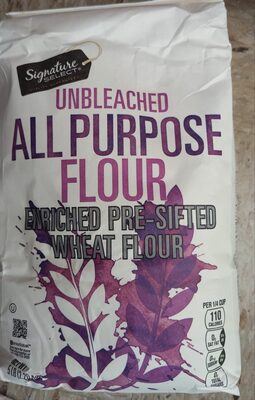
Unbleached All Purpose Flour
Gluten Free Analysis
We recommend searching for certified Gluten Free alternatives.
Pro Tip
Always double-check the label. Manufacturers change ingredients frequently without notice!