
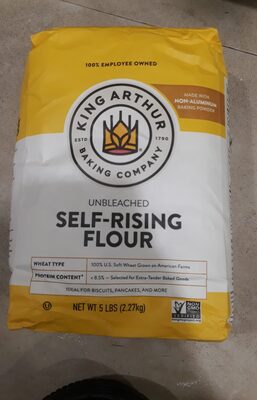
Is Unbleached Self-Rising Flour Halal?
Yes, Unbleached Self-Rising Flour is generally considered Halal. Based on a strict analysis of its ingredients, there are no animal-derived products, alcohol, or impermissible additives present. This makes it a safe and convenient staple for baking biscuits, pancakes, and quick breads within a Halal diet.
The Ingredient Breakdown
When determining if a processed food is Halal, we must look beyond the marketing on the front of the bag and analyze the chemistry on the back. Unbleached Self-Rising Flour is essentially a convenience blend of three core components: flour, leavening agents, and salt. Let's examine why this specific combination passes the Halal test.
The primary ingredient is Unbleached Enriched Soft Wheat Flour. This is simply ground wheat. The term "unbleached" refers to the absence of benzoyl peroxide or chlorine dioxide, which are chemicals sometimes used to whiten flour. While the bleaching process itself is chemically debated in food science, the lack of it means you are consuming the flour in a more natural state. The enrichment involves adding back vitamins like Niacin (Vitamin B3), Reduced Iron, Thiamin Mononitrate, Riboflavin, and Folic Acid. These are all synthetic or plant-derived micronutrients and pose no Halal concerns.
The most critical part of self-rising flour is the Leavening System. This blend consists of Baking Soda (Sodium Bicarbonate), Sodium Acid Pyrophosphate, and Monocalcium Phosphate. These are inorganic chemical salts. Unlike yeast, which is a living organism that requires fermentation (and can sometimes be a concern if processed with alcohol, though rare), these baking powders are purely chemical reactions. They are mineral-based and are universally accepted as Halal. Finally, the addition of Salt is purely mineral and requires no scrutiny.
Nutritional Value
From a nutritional standpoint, Unbleached Self-Rising Flour is a refined carbohydrate source. Because the bran and germ have been removed (making it "soft" wheat flour), it is lower in fiber than whole wheat flour. It provides a quick source of energy due to its carbohydrate content, but it has a high glycemic index, meaning it can spike blood sugar levels relatively quickly compared to whole grains.
The enrichment process is a significant factor here. While the milling process strips away natural nutrients, the manufacturer adds Niacin, Iron, Thiamin, Riboflavin, and Folic Acid back into the flour. This fortification helps prevent nutrient deficiencies, particularly in populations that rely heavily on bread products. However, it is important to note that this flour contains Gluten and is not suitable for those with Celiac disease or gluten sensitivity. It fits into a standard diet as an energy source, but for those monitoring blood sugar or looking for high fiber, whole wheat alternatives are superior.
Frequently Asked Questions
Does Unbleached Self-Rising Flour contain dairy or gluten?
Is Unbleached Self-Rising Flour good for weight loss?
Where can I buy Unbleached Self-Rising Flour?
Is Unbleached Self-Rising Flour safe for kids?

Pro Tip
Always double-check the label. Manufacturers change ingredients frequently without notice!