
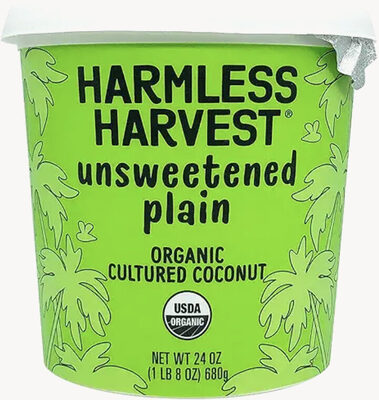
Is Unsweetened Plain Organic Cultured Coconut Halal?
Yes, Unsweetened Plain Organic Cultured Coconut is Halal. Based on the ingredient list provided, this product is entirely plant-based and free from alcohol or animal-derived enzymes, making it safe for consumption under Islamic dietary laws. It is a clean, fermented coconut product that relies on bacterial cultures rather than animal rennet or gelatin.
The Ingredient Breakdown
As a food scientist, I look for specific red flags when analyzing products for Halal compliance, particularly hidden animal derivatives and alcohol. For this Unsweetened Plain Organic Cultured Coconut, the formulation is remarkably clean. Let's look at the specific components.
The base is Organic Coconutmilk, comprised of water and organic coconut meat. This is the foundation of the product and is entirely plant-based. Unlike dairy yogurts, there is no risk of animal rennet or non-Halal milk processing here.
The fermentation process relies on a robust blend of Live and Active Cultures. This includes strains like L. Acidophilus, B. Lactis, and S. Thermophilus. In the food industry, these specific strains are grown on vegan media (usually soy or yeast extracts) rather than animal byproducts. Therefore, they are considered Halal. There is no gelatin used as a thickener, which is a common issue in standard yogurts.
Finally, the sweetness comes from Organic Cane Sugar and the texture is stabilized by Organic Tapioca Starch. While some strict scholars debate the processing of sugar, organic cane sugar is generally considered safe as it is not processed with bone char (a filter used in conventional white sugar). There are no artificial sweeteners or alcohol present in this formulation.
Nutritional Value
Nutritionally, this product is designed to be a lighter alternative to dairy yogurt. Because it is Unsweetened, the sugar content is naturally low, coming primarily from the trace amounts in the organic cane sugar used to feed the cultures. This makes it an excellent choice for those monitoring their glycemic index.
Coconut is naturally higher in fat, specifically saturated fat, compared to skim dairy milk. However, these are medium-chain triglycerides (MCTs), which are metabolized differently by the body and are often used for quick energy. If you are on a low-fat diet, you should consume this in moderation, but for those on Keto or Paleo diets, the fat content is actually a benefit.
Regarding calories, an unsweetened coconut yogurt usually falls in the moderate range—lower than a dessert yogurt but higher than a plain water-based drink. It fits well into a balanced diet, providing healthy fats and probiotics without the sugar spike of flavored varieties.
Frequently Asked Questions
Does Unsweetened Plain Organic Cultured Coconut contain dairy or gluten?
Is Unsweetened Plain Organic Cultured Coconut good for weight loss?
Where can I buy Unsweetened Plain Organic Cultured Coconut?
Is Unsweetened Plain Organic Cultured Coconut safe for kids?
Pro Tip
Always double-check the label. Manufacturers change ingredients frequently without notice!