
Is Usda Organic Teriyaki Roasted Seaweed Snacks Vegan?
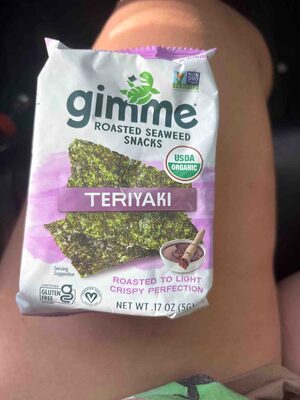
Yes, USDA Organic Teriyaki Roasted Seaweed Snacks are vegan. This savory snack passes the vegan test, as the teriyaki flavoring relies on soy and plant-based seasonings rather than animal-derived sauces. Here is a complete breakdown of why you can enjoy this crunchy treat without worry.
The Ingredient Breakdown
When evaluating processed snacks for a vegan diet, the flavor profile is usually the biggest red flag. Teriyaki sauce traditionally contains sake and mirin (fermented rice products), but in the context of a mass-market snack, we have to look out for hidden fish derivatives or honey. Fortunately, this specific product keeps it plant-based.
The core ingredient is seaweed, which is a marine vegetable and entirely vegan. It is roasted using organic sunflower oil, a standard plant-based fat that provides the crisp texture without the cholesterol found in animal fats. The savory depth comes from a combination of teriyaki sauce and tamari soy sauce. Tamari is a gluten-free variant of soy sauce made from fermented soybeans and is strictly vegan.
Where some brands might use honey or anchovy extract to sweeten and salt their teriyaki flavor, this organic version uses maltodextrin (a plant-derived carbohydrate) to carry the flavor and balance the sodium. The seasoning blend of onion powder and garlic powder is also free of animal products. While we always recommend checking the specific brand label for manufacturing changes, the current ingredient list contains no dairy, eggs, meat, or honey.
Nutritional Value
From a nutritional standpoint, these snacks are a mixed bag, which is typical for roasted seaweed. On the positive side, they are incredibly low in calories, making them an excellent volume snack if you are trying to manage hunger between meals without blowing your daily caloric intake. A single serving usually contains only 25 to 30 calories, which fits easily into almost any diet plan.
However, the sodium content is where you need to exercise caution. The combination of tamari soy sauce and added salt means a single serving can contain 10% to 15% of your recommended daily sodium intake. If you are on a low-sodium diet for blood pressure reasons, you should treat this as a condiment rather than a meal replacement. Additionally, while the fat is primarily from heart-healthy sunflower oil, the sugar content (often derived from the teriyaki glaze) adds a small caloric load that can add up if you consume multiple packets in one sitting.
Frequently Asked Questions
Does Usda Organic Teriyaki Roasted Seaweed Snacks contain dairy or gluten?
Is Usda Organic Teriyaki Roasted Seaweed Snacks good for weight loss?
Where can I buy Usda Organic Teriyaki Roasted Seaweed Snacks?
Is Usda Organic Teriyaki Roasted Seaweed Snacks safe for kids?
Pro Tip
Always double-check the label. Manufacturers change ingredients frequently without notice!