
Is Valentine's Day Message Truffles Vegan?
If you are looking for a plant-based treat for your special someone, you might want to look elsewhere. **No, Valentine's Day Message Truffles are not vegan.** These confections rely heavily on dairy derivatives like heavy cream and butter to achieve their signature melt-in-your-mouth texture. While they are a classic romantic gesture, they are strictly off-limits for anyone adhering to a vegan lifestyle.
The Ingredient Breakdown
As a food scientist, I look at the formulation of confections to understand their structure and origin. When we analyze the ingredient list for Valentine's Day Message Truffles, the non-vegan status becomes immediately apparent. The primary issue lies in the dairy content, which is pervasive throughout the recipe.
The very first ingredient listed is heavy cream. This is a direct animal byproduct derived from cow's milk. It provides the rich, fatty mouthfeel essential to a truffle. Following this, we see butter (unsalted) and butter oil. Both are dairy fats. The inclusion of milk powder and skim milk powder serves to stabilize the emulsion and add a creamy sweetness, but these are strictly animal-derived.
Furthermore, the chocolate elements are not safe for vegans either. The product contains unsweetened chocolate processed with alkali and standard unsweetened chocolate. While pure cacao is plant-based, these specific chocolates are almost always processed in facilities that handle dairy, and the 'processed with alkali' note often indicates a Dutching process that may use equipment shared with milk products. Additionally, sweetened condensed milk and skim milk are listed, which are essentially concentrated dairy liquids. Finally, soy lecithin is used as an emulsifier; while lecithin itself is plant-derived (usually soy or sunflower), in this context, it is used to bind the dairy fats and cocoa together.
Nutritional Value
From a nutritional standpoint, these truffles are classified as a high-calorie, high-sugar indulgence, typical of holiday confectionery. The primary macronutrients are fats and carbohydrates. The heavy cream and butter contribute significantly to the saturated fat content, while the sugar, high fructose corn syrup, and invert sugar drive the carbohydrate count up.
Because these truffles are designed as a sweet treat rather than a nutritional supplement, they do not offer significant vitamins, minerals, or fiber. They fit into a diet only as an occasional 'cheat' item. For those monitoring their sugar intake or managing cholesterol, the combination of saturated fats and multiple forms of added sugar makes these truffles a poor choice for regular consumption.
Frequently Asked Questions
Does Valentine's Day Message Truffles contain dairy or gluten?
Is Valentine's Day Message Truffles good for weight loss?
Where can I buy Valentine's Day Message Truffles?
Is Valentine's Day Message Truffles safe for kids?
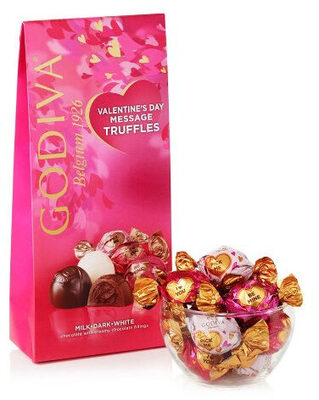
Valentine's Day Message Truffles
Vegan Analysis
We recommend searching for certified Vegan alternatives.
Pro Tip
Always double-check the label. Manufacturers change ingredients frequently without notice!