
Is VEGAN protein Keto?
No, VEGAN protein is generally not considered Keto-friendly. While it offers a plant-based amino acid profile, the specific formulation relies heavily on brown rice protein and a concentrated fruit and veggie blend. These ingredients introduce enough carbohydrates to potentially disrupt ketosis, making it a risky choice for strict keto dieters.
The Ingredient Breakdown
As a food scientist, looking at the label of this VEGAN protein, the verdict is clear: it is formulated for general health, not metabolic ketosis. The primary issue lies in the protein sources and the hidden carbohydrate fillers.
The first two ingredients are Pea Protein Isolate and Organic Brown Rice Protein Concentrate. While pea protein is relatively low in carbs and often acceptable in moderation, brown rice protein is the culprit here. Brown rice protein is derived from whole grain rice, which naturally contains starches and carbohydrates. Unlike animal-based whey isolates or even soy isolate, rice protein carries a higher glycemic load, which can impact blood sugar levels.
Furthermore, the formula includes a massive Fruit & Veggie Blend. While healthy for antioxidants, this blend includes prune powder, strawberry powder, and onion bulb powder. Dried fruit powders are concentrated sources of sugar (fructose). Even in small amounts, these contribute to the total net carb count, which is the critical metric for Keto adherence.
Finally, the inclusion of Flax Seed Powder and Chia Seed Powder adds healthy fats, which is good for Keto, but also adds fiber. While fiber is subtracted to get net carbs, the sheer volume of plant matter in this blend makes it difficult to keep the carb count low enough for a standard ketogenic diet (typically under 5g net carbs per serving).
Nutritional Value
From a nutritional standpoint, this VEGAN protein is a powerhouse of micronutrients and fiber, but it fails the strict macronutrient ratios required for Keto.
Most vegan protein powders derived from rice or pea blends average between 4 to 8 grams of carbohydrates per serving. For a standard Keto diet aiming for 20-30g of total carbs per day, a single scoop consuming 20-30% of that allowance is inefficient. Additionally, the Monk Fruit Extract is a zero-calorie sweetener, which is excellent for Keto, but it cannot offset the carbs coming from the rice and fruit ingredients.
The fat content is likely moderate due to the flax and chia seeds, but not high enough to qualify as a 'Keto meal replacement' which usually requires added MCT oil or coconut cream. Therefore, while the product is healthy and nutrient-dense, it does not fit the high-fat, very-low-carb macro profile.
Frequently Asked Questions
Does VEGAN protein contain dairy or gluten?
Is VEGAN protein good for weight loss?
Where can I buy VEGAN protein?
Is VEGAN protein safe for kids?

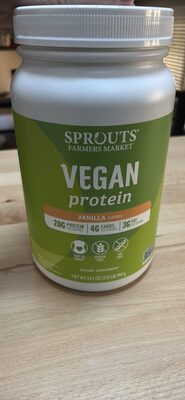
VEGAN protein
Keto Analysis
We recommend searching for certified Keto alternatives.
Pro Tip
Always double-check the label. Manufacturers change ingredients frequently without notice!