
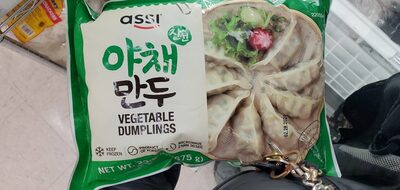
Is vegetable dumplings Vegan?
The direct answer is MAYBE. While vegetable dumplings appear to be a plant-based dream filled with cabbage, tofu, and soy protein, there are subtle ingredients that can compromise a strict vegan diet. Here is the deep dive into why you might need to ask the manufacturer before eating them.
The Ingredient Breakdown
As a food scientist, I look at the chemistry of a product, not just the marketing. The ingredient list for vegetable dumplings is surprisingly robust in plant-based nutrition. The primary filling consists of cabbage, tofu (ground soybean with filtered water), and soybean protein. This combination provides a complete amino acid profile, mimicking the texture of meat effectively without using any animal products. The wrapper is standard wheat flour, which is vegan but contains gluten.
The aromatics are classic and entirely plant-derived: green onion, leek, onion, garlic, and ginger. The moisture and richness come from corn oil and sesame oil, both extracted from seeds. The flavor enhancers—monosodium glutamate (MSG), salt, and black pepper powder—are mineral-based and safe for vegans. However, the soy sauce is a potential flag; while traditional soy sauce is vegan, some brands use trace animal products in fermentation or flavoring, though this is rare in mass-produced frozen goods.
The primary ethical flag here is the sugar. In the food industry, white sugar is often processed using bone char (charred animal bones) to bleach it. While the amount is small, strict vegans (those avoiding all animal exploitation) usually avoid non-organic white sugar. Additionally, the potato vermicelli is just starch and water, but it adds to the carbohydrate load. Overall, the ingredients are 99% plant-derived, but the sugar is the specific chemical that prevents a definitive 'Yes'.
Nutritional Value
From a nutritional standpoint, these dumplings are a mixed bag. They are an excellent source of plant protein due to the high concentration of soybean protein and tofu. A serving likely provides 10-15 grams of protein, which is impressive for a dumpling. The corn oil and sesame oil contribute to the fat content, which is necessary for satiety but adds to the calorie count. Expect roughly 200-300 calories per serving depending on the size.
The concern lies in the sugar and monosodium glutamate. While MSG is generally recognized as safe (GRAS), it can cause sensitivity in some individuals (headaches or flushing). The sugar adds empty calories and spikes insulin, which isn't ideal for those on a low-glycemic diet. However, compared to meat-filled dumplings which are high in saturated fats and cholesterol, these vegetable versions are significantly better for heart health. They fit well into a balanced diet but should be monitored if you are strictly managing sugar intake.
Frequently Asked Questions
Does vegetable dumplings contain dairy or gluten?
Is vegetable dumplings good for weight loss?
Where can I buy vegetable dumplings?
Is vegetable dumplings safe for kids?

vegetable dumplings
Vegan Analysis
We recommend searching for certified Vegan alternatives.
Pro Tip
Always double-check the label. Manufacturers change ingredients frequently without notice!