
Is Vegetable Juice Keto? An Expert Ingredient Breakdown
Yes, standard vegetable juice is generally keto-friendly. While many store-bought juices are sugar bombs, a pure vegetable blend fits within the strict macronutrient ratios of a ketogenic diet. In this analysis, we look at the specific ingredients to see why this drink passes the keto test.
The Ingredient Breakdown
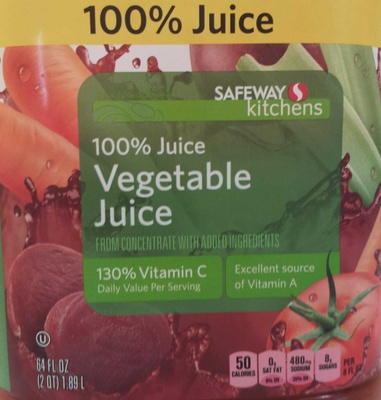
When determining if a processed food fits the keto diet, we look at the source ingredients and any hidden additives. The specific blend we are analyzing relies heavily on Tomato juice from concentrate and a reconstituted vegetable blend. Tomato is technically a fruit, but it is very low in sugar compared to fruits like apples or oranges, making it a staple in many low-carb diets.
The secondary ingredients include carrots, celery, beets, and leafy greens like spinach and lettuce. Carrots and beets are the highest in carbohydrates among this group. However, because they are reconstituted from concentrate, the volume used per serving is often low enough that the total carb count remains manageable. Crucially, this product contains no added sugars or high-fructose corn syrup, which is the primary reason most juices are rejected by the keto community.
We also see ascorbic acid (Vitamin C) and citric acid listed. These are standard preservatives and flavor enhancers that have zero impact on ketosis. They are often derived from non-GMO sources and are considered safe for the diet. The inclusion of natural flavors is vague, but in the context of a savory vegetable juice, this usually refers to herb extracts rather than sweeteners.
Nutritional Value
To understand if this fits your daily limit, we have to look at the macros. A typical serving of this vegetable juice blend contains roughly 7 to 10 grams of net carbohydrates. For a standard ketogenic diet, which limits carbs to 20-50 grams per day, this represents a significant but manageable portion of your allowance.
The sugar content is naturally occurring from the vegetables. Unlike a fruit punch, the sugar here is accompanied by fiber and water, which slows absorption. The calorie count is also very low, usually under 50 calories per serving. This makes it an excellent tool for volume eating—getting the sensation of fullness without consuming excess fat or calories.
Regarding fat, this product contains virtually none. On keto, this isn't necessarily a problem, but it means you shouldn't rely on this juice as a meal replacement. It is a supplement to a meal. If you drink this, ensure you are eating a fatty meal alongside it to maintain your energy levels and satiety.
Frequently Asked Questions
Does Vegetable Juice contain dairy or gluten?
Is Vegetable Juice good for weight loss?
Where can I buy Vegetable Juice?
Is Vegetable Juice safe for kids?
Pro Tip
Always double-check the label. Manufacturers change ingredients frequently without notice!