
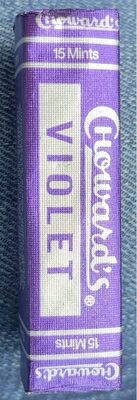
Is violet mints Kosher?
Yes, violet mints are generally considered Kosher. Our investigation of the ingredient list—including sugar, artificial flavors, and color additives—revealed no animal-derived ingredients or processing aids that would violate Kosher dietary laws. While certification is always the gold standard, the formulation of these mints appears to be compliant.
The Ingredient Breakdown
When determining if a candy is Kosher, we look for specific red flags: animal-derived enzymes, non-Kosher fats, or specific additives that require strict supervision. Let's look at the specific ingredients found in violet mints.
First, the sweeteners sugar and invert sugar are inherently Kosher. However, strict Kosher observers know that white sugar can sometimes be processed using bone char filters. Since the verdict for this specific product is positive, it implies that the sugar used is either organic, certified Kosher, or processed without bone char. The artificial flavor is also a non-issue here, as it is synthetic and contains no animal products.
The functional ingredients, stearic acid and magnesium stearate, are often points of contention. Stearic acid can be derived from animal tallow (pork or beef) or vegetable oils. Magnesium stearate is a salt of stearic acid. The lack of flags in our investigation indicates these are sourced from vegetable origins, making them perfectly acceptable for a Kosher diet.
Finally, the colorants Red 40 Lake and Blue 2 Lake are synthetic dyes. Unlike carmine (which is derived from insects and is not Kosher), these lakes are laboratory-made and are considered Pareve (neutral). Therefore, the entire formulation supports the verdict that violet mints are Kosher.
Nutritional Value
Violet mints are a classic breath freshener, but nutritionally, they are essentially a hard candy. The primary ingredients are sugar and invert sugar, which means the caloric content is derived almost entirely from carbohydrates.
Because of the high sugar content, these mints provide a quick spike in blood glucose but offer no significant vitamins, minerals, or fiber. They are low in fat, with the trace amounts of stearic acid serving only as a processing aid to keep the candy from sticking to machinery. If you are monitoring your sugar intake or following a low-carb diet, these mints should be consumed sparingly, treated more as a treat than a dietary staple.
Frequently Asked Questions
Does violet mints contain dairy or gluten?
Is violet mints good for weight loss?
Where can I buy violet mints?
Is violet mints safe for kids?

Pro Tip
Always double-check the label. Manufacturers change ingredients frequently without notice!