
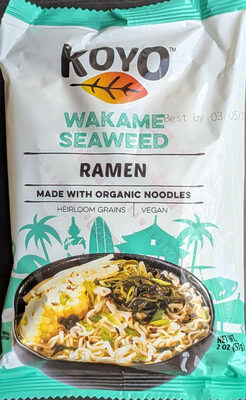
Is Wakame seaweed ramen noodles, wakame seaweed Kosher?
Yes, Wakame seaweed ramen noodles, wakame seaweed is Kosher. Based on the ingredient list provided, there are no animal-derived products or non-kosher additives, making it suitable for a Kosher diet. Let's dive into the specific ingredients to understand why this product passes the test.
The Ingredient Breakdown
When determining if a processed food like instant ramen is Kosher, we have to look beyond the main flavor profile and inspect the fine print of the soup packet and noodle block. For this specific product, the verdict is straightforward because the formula relies entirely on plant-based and mineral ingredients.
Starting with the Organic Noodles, the composition is simple: organic wheat flour and sea salt. Wheat is inherently Kosher, provided it hasn't come into contact with non-kosher processing equipment. Since this is an organic product, it generally adheres to stricter processing standards. There is no egg in the noodles, which is a common non-vegan flag in pasta, but here it is purely flour and water (implied).
The Soup Packet is where complexity usually hides, but here it remains clean. The base consists of shoyu powder (soybeans, wheat, sea salt) and miso powder (soybeans, rice, sea salt). Both are fermented soy products that are naturally vegan and Kosher. The inclusion of kombu powder (kelp) and shiitake mushroom powder provides the umami depth usually associated with meat broths, without using any actual meat derivatives.
Crucially, we looked for the "red flags" that often appear in ramen flavorings. There is no lard, no beef extract, and no powdered milk. The flavor enhancers are strictly vegetable-based: onion powder, garlic powder, ginger powder, and black pepper. Even the wakame and green onion are standard sea vegetables and alliums. Because the salt used is sea salt, and there are no wine or vinegar additives that might require a Passover check, this product is Kosher year-round.
Nutritional Value
While the Kosher status is confirmed, the nutritional profile is equally important to consider. Like most instant ramen, this product is designed for convenience and flavor, which often means a higher sodium content. The combination of sea salt, shoyu powder, and miso powder contributes to the saltiness, so those monitoring blood pressure should consume it in moderation.
In terms of macronutrients, the organic wheat flour provides carbohydrates for energy, but it is a refined carbohydrate source. There is likely minimal fiber content unless the flour is whole wheat (which is not specified). Regarding fats, instant noodles are typically low in fat unless a oil packet is included; based on this ingredient list, the fat content should be very low, making it a lighter option compared to fried noodle varieties.
The calorie count is likely moderate, falling in the 300-400 calorie range per serving, which fits well into standard diet limits. The sugar listed in the ingredients is usually a small amount used to balance the acidity of the soy and miso, so it shouldn't spike blood sugar excessively. Overall, it is a savory, plant-based meal that fits into a Kosher diet, though it should be paired with vegetables for a more balanced nutritional intake.
Frequently Asked Questions
Does Wakame seaweed ramen noodles, wakame seaweed contain dairy or gluten?
Is Wakame seaweed ramen noodles, wakame seaweed good for weight loss?
Where can I buy Wakame seaweed ramen noodles, wakame seaweed?
Is Wakame seaweed ramen noodles, wakame seaweed safe for kids?



Pro Tip
Always double-check the label. Manufacturers change ingredients frequently without notice!