
Is Whole grain bread Gluten Free?
No, standard whole grain bread is not gluten-free. While it may seem like a healthy, natural choice, a close look at the ingredients list reveals multiple sources of gluten that pose a risk for anyone with celiac disease or gluten sensitivity. This article explains exactly why this bread is unsafe for a gluten-free diet.
The Ingredient Breakdown
As a food scientist, I look beyond the marketing claims on the package and go straight to the formulation. The ingredient list for this whole grain bread is extensive, and it contains several distinct flags for gluten. The primary issue lies in the flour blend used to create the loaf.
The very first ingredient is whole wheat flour. Wheat is one of the three primary grains (along with barley and rye) that contain gluten. In fact, wheat contains specific gluten proteins called gliadin and glutenin, which are the primary triggers for gluten-related disorders. Because it is the first ingredient, it constitutes the bulk of the product.
Further down the list, we see other distinct gluten-containing grains. Barley (listed as pearled barley) and rye are explicitly included. Even more concerning is the inclusion of triticale, which is a hybrid of wheat and rye. As a hybrid, it naturally inherits the gluten proteins from both parent grains. Additionally, the ingredient wheat gluten is added directly to the dough. This is a concentrated form of gluten protein added to improve the bread's texture and chewiness, essentially doubling down on the gluten content.
While the bread includes gluten-free grains like buckwheat, millet, amaranth, and quinoa, they are listed after the 2% mark. This indicates they are used in very small quantities, likely for texture or nutritional marketing, and are insufficient to counteract the massive amount of gluten present in the wheat, barley, rye, and triticale flours. Furthermore, while oats are technically gluten-free, they are frequently cross-contaminated with wheat during harvesting and processing unless specifically certified gluten-free.
Nutritional Value
From a nutritional standpoint, this whole grain bread offers a mix of benefits and drawbacks. The presence of whole grains, seeds like sunflower seeds and flaxseed, and whole quinoa contributes dietary fiber, healthy fats, and protein. This combination helps with satiety and provides essential micronutrients.
However, the inclusion of sugar and sugarcane fiber adds to the total carbohydrate count and provides empty calories. The presence of soybean oil and monoglycerides (emulsifiers) indicates a processed formulation. While not necessarily 'bad' in moderation, they are signs of a commercial product rather than a simple, artisanal loaf. The sodium content, derived from salt, is also a factor to watch for in any processed bread. For the average person, this bread fits into a balanced diet, but for those seeking to minimize processed ingredients or sugar, it is not the ideal choice.
Frequently Asked Questions
Does Whole grain bread contain dairy or gluten?
Is Whole grain bread good for weight loss?
Where can I buy Whole grain bread?
Is Whole grain bread safe for kids?


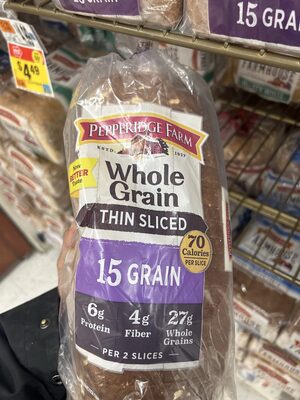
Whole grain bread
Gluten Free Analysis
We recommend searching for certified Gluten Free alternatives.
Pro Tip
Always double-check the label. Manufacturers change ingredients frequently without notice!