
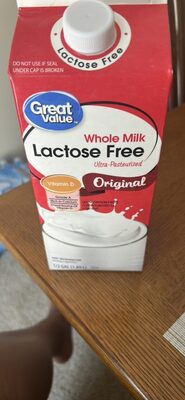
Is Whole Milk Lactose Free Gluten Free?
Yes, Whole Milk Lactose Free is both gluten-free and lactose-free. This dairy product retains its core milk proteins while utilizing an added enzyme to break down the sugars that typically cause digestive distress. It is a safe, nutritious option for those avoiding gluten and lactose, provided they are not allergic to dairy itself.
The Ingredient Breakdown
When analyzing Whole Milk Lactose Free, we look at the label: milk, contains less than 1% of: lactase enzyme*, vitamin d3. As a food scientist, I can confirm that the base ingredient is standard cow's milk. This means it is naturally rich in dairy proteins like casein and whey. It is not a plant-based milk; it is animal-derived.
The key differentiator here is the lactase enzyme. Lactose intolerance is essentially the body's inability to produce this specific enzyme to digest milk sugar (lactose). By adding lactase directly to the milk, the manufacturer pre-digests the lactose into simpler sugars (glucose and galactose) before you even drink it. This process eliminates the digestive symptoms associated with lactose intolerance without removing the nutritional benefits of the milk.
Regarding gluten, milk is naturally a gluten-free food. The vitamin D3 added is typically derived from lanolin (sheep's wool) or lichen, neither of which contain gluten. There are no wheat, barley, or rye derivatives in this product. However, strict celiacs should note that while the ingredients are safe, cross-contamination can occur in facilities that process other allergens, though this specific product is generally considered safe.
Nutritional Value
Because Whole Milk Lactose Free is not processed to remove fat, it retains the full caloric density of regular whole milk. You are looking at approximately 150 calories per cup, with 8 grams of fat (including saturated fat) and 8 grams of protein. The removal of lactose does not significantly alter the fat or protein content.
Interestingly, because lactose is broken down into glucose and galactose, the sugar content might taste slightly sweeter than regular milk, even though the total carbohydrate count remains similar. This is because these simple sugars hit the tongue faster than the complex lactose molecule. For those tracking sugar intake for diabetes management, this is a nuance worth noting, though the glycemic impact is generally manageable within a balanced diet.
It fits well into high-protein and low-carb diets (keto) in moderation, though the fat content is high. It is an excellent source of calcium and Vitamin D, essential for bone health. Compared to skim or 1% versions, the whole milk variant provides better satiety due to the higher fat content, which can help with appetite control.
Frequently Asked Questions
Does Whole Milk Lactose Free contain dairy or gluten?
Is Whole Milk Lactose Free good for weight loss?
Where can I buy Whole Milk Lactose Free?
Is Whole Milk Lactose Free safe for kids?


Pro Tip
Always double-check the label. Manufacturers change ingredients frequently without notice!