
Is Whole ultra-filtered milk Gluten Free?
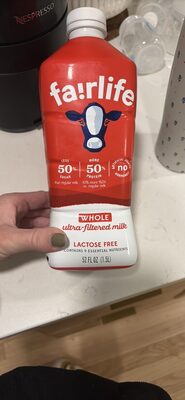
Yes, Whole ultra-filtered milk is gluten-free. This dairy product undergoes a specific filtration process that removes water and lactose while retaining protein and calcium, but it does not involve any gluten-containing grains. Our analysis confirms that the standard ingredients used in this milk, including added enzymes and vitamins, pose no gluten risks.
The Ingredient Breakdown
When determining if a processed food is safe for a gluten-free diet, the devil is often in the details. However, with Whole ultra-filtered milk, the ingredient list is surprisingly straightforward and safe. Let's look at the specific components found in the typical formulation.
The primary ingredient is, naturally, ultra-filtered milk. This is simply cow's milk that has been passed through a special filter to concentrate the protein and calcium while reducing sugar (lactose). Because it starts as pure dairy, it is naturally free of wheat, barley, and rye.
Next, we see lactase enzyme added to the mix. Lactase is the enzyme required to break down lactose (milk sugar). It is produced via fermentation, usually using fungi or bacteria. Crucially, this fermentation process does not utilize gluten-containing grains, making the enzyme safe for those with Celiac disease or gluten sensitivity.
Finally, the product is fortified with vitamin A palmitate and vitamin D3. These are synthetic vitamins used to mimic the nutrient profile of natural milk. They are chemical compounds that are inherently gluten-free. There are no hidden fillers or starches in this specific product that would introduce a gluten risk.
Nutritional Value
Whole ultra-filtered milk is often marketed as a 'protein powerhouse,' and for good reason. Because the filtration process removes water, the nutrients become more concentrated. A single serving typically packs significantly more protein than regular milk—often around 13 grams per cup—while keeping the sugar content relatively low (usually around 6 grams) because much of the lactose is removed.
In terms of fats, the 'whole' designation means it retains the natural milk fat, usually around 8 grams per serving. This provides a creamy texture and helps with satiety, making it a filling option. Regarding calorie count, it generally falls between regular whole milk and a protein shake, usually hovering around 150 calories per cup. It fits well into high-protein diets like Keto or low-carb plans, provided you account for the trace sugars remaining from the lactose.
Frequently Asked Questions
Does Whole ultra-filtered milk contain dairy or gluten?
Is Whole ultra-filtered milk good for weight loss?
Where can I buy Whole ultra-filtered milk?
Is Whole ultra-filtered milk safe for kids?
Pro Tip
Always double-check the label. Manufacturers change ingredients frequently without notice!