
Is Wholesome Wheat Halal?
The verdict on Wholesome Wheat is MAYBE. While the bread avoids obvious non-halal offenders like pork or alcohol, it contains a specific dough conditioner—'enzyme'—that raises questions about its source. This article investigates the ingredient list to determine if this popular bread fits a strict halal diet.
The Ingredient Breakdown
When assessing a product like Wholesome Wheat for halal compliance, we look beyond the marketing and dive straight into the label. The base ingredients—stone ground whole wheat flour, water, yeast, and salt—are naturally halal. The potential issues arise in the processing agents and additives used to achieve that soft, shelf-stable texture.
The primary flag in this ingredient list is the enzyme found in the dough conditioner. Enzymes are frequently used in bread making to improve dough handling and crumb softness. However, the term 'enzyme' is generic. In the food industry, enzymes can be derived from plant, microbial, or animal sources. Without a specific declaration (e.g., 'fungal enzyme' or 'plant-based enzyme'), we cannot guarantee the source is halal. While most modern bread enzymes are microbial, strict halal observance requires certainty.
Other ingredients in the dough conditioner, such as l-cysteine, are also worth noting. While synthetic or fermentation-derived l-cysteine is halal, historically, this amino acid was sourced from feathers or hog hair. Again, without a specific 'vegan' or 'synthetic' designation, it introduces a layer of uncertainty. Fortunately, ingredients like mono & diglycerides and calcium propionate are generally considered halal as they are typically derived from vegetable oils or synthetic sources.
Nutritional Value
From a nutritional standpoint, Wholesome Wheat attempts to balance taste with health. The inclusion of stone ground whole wheat flour provides necessary fiber, which aids in digestion and helps regulate blood sugar levels. However, consumers should be aware that this is not a low-carb product; it is a standard bread designed to fit into a balanced diet.
The product contains added sugar and vegetable oil, which increases the calorie count compared to a simple flour-and-water flatbread. Additionally, the presence of calcium propionate (a preservative) is standard for extending shelf life and preventing mold, though some individuals prefer to avoid preservatives. Overall, it fits the nutritional profile of a standard enriched white bread with a boost of whole grains, making it a moderate choice for daily consumption.
Frequently Asked Questions
Does Wholesome Wheat contain dairy or gluten?
Is Wholesome Wheat good for weight loss?
Where can I buy Wholesome Wheat?
Is Wholesome Wheat safe for kids?
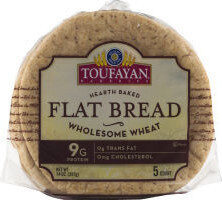
Wholesome Wheat
Halal Analysis
We recommend searching for certified Halal alternatives.
Pro Tip
Always double-check the label. Manufacturers change ingredients frequently without notice!