
Is yoghurt Vegan?
No, yoghurt is not vegan. While it might seem like a simple fermented dairy product, a closer look at the ingredients reveals multiple animal-derived components that strictly violate vegan dietary standards. From the milk base to the sweeteners and texture agents, standard yoghurt is firmly rooted in animal agriculture.
The Ingredient Breakdown
To understand why yoghurt fails the vegan test, we need to look at the specific ingredients used in its production. As a food scientist, I look at the source of every additive, and in this case, the flags are immediate.
The primary issue is the base: Grade A Pasteurized Milk. Regardless of how it is processed or fermented, milk is an animal product derived from cows. For vegans, avoiding dairy is the fundamental rule, making any product starting with milk non-vegan by definition.
Next, we encounter Honey. While some vegetarians consume honey, strict vegans do not. Honey is a product of bees, and the vegan philosophy seeks to exclude all forms of animal exploitation, including the harvesting of bee labor. It is a common sweetener in 'premium' or 'natural' yoghurts but is a clear non-vegan ingredient.
Perhaps the most deceptive ingredient is Kosher Gelatin. Standard gelatin is a gelling agent derived from the collagen in animal skin and bones. Even if labeled 'Kosher,' it is still an animal product (often derived from cattle or fish). It is used to give the yoghurt a thicker, more stable texture. Plant-based alternatives like agar-agar or pectin are vegan, but the inclusion of gelatin renders the product unsuitable for a vegan diet.
Finally, while Pectin and Live Active Cultures are technically vegan (pectin is plant-derived, and cultures are bacteria), they cannot redeem the product. The presence of milk, honey, and gelatin creates a composite that is undeniably non-vegan.
Nutritional Value
From a nutritional standpoint, this specific yoghurt blend offers a mix of benefits and drawbacks. The Grade A Pasteurized Milk provides a solid foundation of calcium, protein, and Vitamin D, which are essential for bone health. The Live Active Cultures (including L. acidophilus and Bifidus) are excellent for gut health, promoting a balanced microbiome.
However, the inclusion of Cane Sugar and Honey significantly increases the sugar content. While honey offers trace minerals and antioxidants, both sweeteners contribute to the overall caloric density without providing substantial satiety. For those monitoring their sugar intake or managing weight, this specific formulation could be problematic if consumed in large quantities. It fits within a standard diet as an occasional treat, but it is not a 'free' food.
Frequently Asked Questions
Does yoghurt contain dairy or gluten?
Is yoghurt good for weight loss?
Where can I buy yoghurt?
Is yoghurt safe for kids?



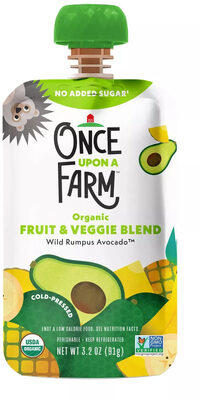
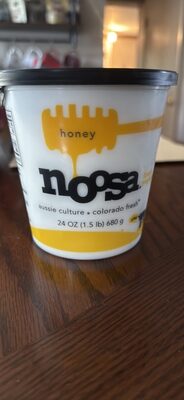
yoghurt
Vegan Analysis
We recommend searching for certified Vegan alternatives.
Pro Tip
Always double-check the label. Manufacturers change ingredients frequently without notice!