
Is Yogurt Vegan? A Food Scientist's Deep Dive into Ingredients
The short answer is no: standard yogurt is not vegan. While it starts as a plant-based fermentation process, commercial varieties almost always rely on dairy milk and are frequently thickened or colored with animal-derived ingredients. In this investigation, we will break down exactly why the ingredients in popular strawberry and strawberry banana yogurts fail the vegan test.
The Ingredient Breakdown
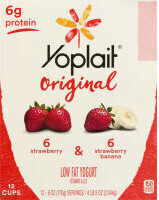
When evaluating whether a food fits a vegan lifestyle, we must look beyond the marketing claims and examine the molecular source of every additive. Standard yogurt, particularly flavored varieties, is a minefield of animal-derived compounds. Let's look at the specific ingredients found in the strawberry and strawberry banana varieties we analyzed.
The primary offender is pasteurized grade a reduced fat milk. This is the foundational ingredient of all conventional yogurt. It provides the protein structure and the lactose necessary for the bacteria to ferment. Without milk, you simply do not have dairy yogurt. For a vegan, this immediately disqualifies the product.
However, the issues often go deeper. Many commercial yogurts use kosher gelatin to improve texture. While labeled "kosher," this is still animal-derived gelatin, typically sourced from beef or pork collagen. It acts as a thickener, creating that semi-solid suspension that consumers expect. Plant-based yogurts use pectin, agar, or guar gum instead.
Perhaps the most deceptive ingredient is carmine. Listed under the guise of "colored with carmine," this ingredient is responsible for the vibrant red or pink hue in strawberry yogurts. Carmine is a natural pigment derived from crushing cochineal insects. It is a common non-vegan hidden ingredient in many red-colored foods.
Finally, we must address the vitamins. While vitamin d3 is essential for bone health, the version used in fortified dairy products is almost exclusively derived from lanolin, the waxy substance secreted by sheep's skin. While trace amounts are often debated, strict vegans typically avoid lanolin-derived D3 in favor of lichen-derived D2 or D3.
Nutritional Value
From a nutritional standpoint, these specific strawberry and strawberry banana yogurts present a classic trade-off. They offer the benefits of dairy calcium and protein, but they are heavily compromised by added sugars. With sugar listed as a primary ingredient, these yogurts can contain upwards of 15-20 grams of sugar per serving.
The presence of modified corn starch and pectin contributes to the mouthfeel but adds little nutritional value beyond acting as a thickener. For those monitoring their caloric intake, these additives combined with the sugar content make the product more of a dessert than a health food. While the yogurt cultures (L. bulgaricus, S. thermophilus, L. acidophilus) are excellent for gut health, the sugar feedstock can sometimes counteract the probiotic benefits by feeding less desirable bacteria in the gut if consumed in excess.
Frequently Asked Questions
Does Yogurt contain dairy or gluten?
Is Yogurt good for weight loss?
Where can I buy Yogurt?
Is Yogurt safe for kids?

Yogurt
Vegan Analysis
We recommend searching for certified Vegan alternatives.
Pro Tip
Always double-check the label. Manufacturers change ingredients frequently without notice!