
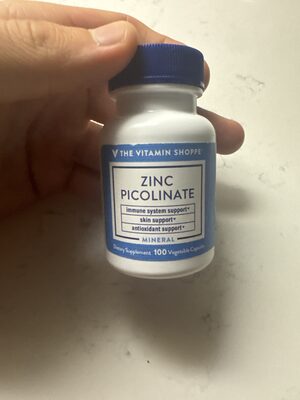
Is Zinc Picolinate Halal?
Yes, Zinc Picolinate is Halal. Based on a detailed breakdown of its common ingredients, this supplement does not contain any animal-derived components, alcohol, or other non-Halal contaminants. It is a safe choice for those adhering to Halal dietary guidelines.
The Ingredient Breakdown
When determining if a supplement is Halal, we must look beyond the active ingredient and inspect the excipients (fillers and binders) and the capsule material. For a standard Zinc Picolinate supplement containing Zinc (as zinc picolinate), rice flour, hypromellose (capsule), and calcium palmitate, the verdict is clear.
The active ingredient, zinc picolinate, is a mineral salt formed by combining zinc with picolinic acid. Picolinic acid is a metabolite of the amino acid tryptophan. Since both the zinc and the acid source are synthetic or mineral-based, there are no animal concerns here. The filler, rice flour, is strictly plant-based and poses no risk regarding cross-contamination with wheat or gluten if processed correctly, though it is naturally gluten-free.
The most critical component for Halal verification is often the capsule. Many cheaper supplements use gelatin, which is often derived from pork or non-Halal slaughtered beef. However, this product uses hypromellose. Hypromellose is a plant-derived cellulose (usually from wood pulp or cotton linters) and is the gold standard for Vegan and Halal capsules. Finally, calcium palmitate is used as an anti-caking agent; it is a calcium salt of palmitic acid (a fatty acid found in plants and animals). In the context of supplements, it is typically derived from vegetable sources or synthesized, and there is no flag for animal origin in this formulation.
Nutritional Value
From a nutritional standpoint, Zinc Picolinate is an extremely 'clean' supplement regarding macronutrients. It is essentially a mineral delivery system. The capsule contents are negligible in terms of calories, fat, sugar, and carbohydrates. You are taking this for the zinc content, not for energy or sustenance.
Because the fillers are minimal (mostly rice flour) and the capsule is cellulose, it fits easily into almost any diet, including Keto, Paleo, and low-carb plans. There is no sugar added, and no fats are introduced beyond the trace amounts in the calcium palmitate. It is purely a micronutrient supplement.
Frequently Asked Questions
Does Zinc Picolinate contain dairy or gluten?
Is Zinc Picolinate good for weight loss?
Where can I buy Zinc Picolinate?
Is Zinc Picolinate safe for kids?

Pro Tip
Always double-check the label. Manufacturers change ingredients frequently without notice!