Family & Pet Safety
Not Dog Safe 🐶❌
Pregnancy Safe? 🤰✅
Safe for consumption.
Limit for Kids 👶⚠️
Ingredient Decoder
High Risk Additives
BHA (Butylated Hydroxyanisole)
A waxy solid preservative used to prevent fats from going rancid. The National Toxicology Program classifies it as 'reasonably anticipated to be a human carcinogen'.
Sodium Metabisulfite
A sulfite preservative used in dried fruits and wines. It releases sulfur dioxide gas which can cause severe respiratory reactions in asthmatics.
Moderate Caution
Yellow 5 (Tartrazine)
A synthetic lemon-yellow azo dye derived from coal tar. It is known to cause allergic reactions (like hives) in people with aspirin intolerance and has been linked to behavioral changes in children.
Yellow 6 (Sunset Yellow)
A synthetic food dye used in cheese, candy, and soda. Some animal studies have linked it to adrenal tumors, though the FDA currently deems it safe for consumption.
BHT (Butylated Hydroxytoluene)
Often paired with BHA in cereals and snacks. While safer than BHA, studies suggest it may disrupt hormones (endocrine disruptor) and impact thyroid health.
Full Ingredients List:
Diet Compatibility
Vegan
OK
Gluten-Free
Avoid
Keto
Avoid
What you need to know
Fat in high quantity (22.22g)
A high consumption of fat can raise cholesterol and increase heart disease risk. Limit consumption.
Source: National Health Service UK (NHS) - Fat: the facts
Saturated Fat in high quantity (11.11g)
High consumption of saturated fats increases the risk of heart diseases. Choose products with lower content.
Source: National Health Service UK (NHS)
Sugars in moderate quantity (5.56g)
Sugars in moderate quantity.
Source: National Health Service UK (NHS) - Sugar: the facts
Salt in moderate quantity (0.9878g)
Salt in moderate quantity.
Source: WHO - Fact sheet - Salt reduction
Health Benefits
- ● Convenient Snack
Cons & Warnings
- ● Contains BHA (Butylated Hydroxyanisole)
Processing Level
Based on ingredient analysis (NOVA System)
Analysis Report
Data-Driven
CakeID Data Lab
Food Intelligence Engine
"Our algorithms analyze thousands of nutritional labels to find the hidden truths behind your food."
Health Integrity Analysis
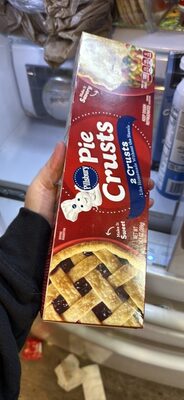
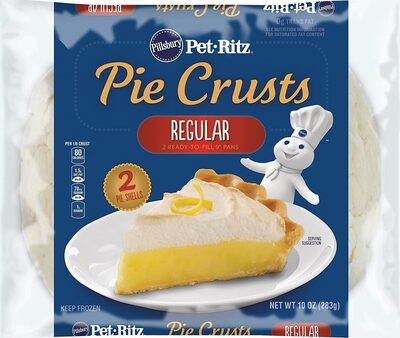
CakeID Lab's full nutritional teardown of Petritz pie crusts. Read this comprehensive breakdown before you decide to add it to your cart. Scoring 45/100 on the CakeID index, we highlight the pros and cons below.
⚠️ Additive Watch: Critical Flags
The ingredient list reveals the presence of BHA (Butylated Hydroxyanisole). A waxy solid preservative used to prevent fats from going rancid. The National Toxicology Program classifies it as 'reasonably anticipated to be a human carcinogen'. For health-conscious consumers, this is a significant red flag that lowered the product's overall score.
Nutritional Balance
With only 6g of sugar, this product maintains a balanced profile. It avoids the excessive sweetness of typical processed foods while providing 6g of protein.
Keto & Diet Matchmaker
For those following a strict Keto diet, Petritz pie crusts is highly problematic. A standard Keto diet restricts carbs to about 20g per day. Just 100g of this product contains 50g of carbohydrates, which instantly consumes roughly 250% of your entire daily allowance.
Final Verdict
Taking into account the macro-nutrient balance, additive risks, and caloric density, Petritz pie crusts achieves a CakeID Score of 45/100.
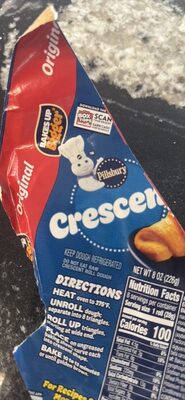
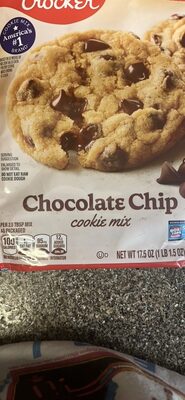
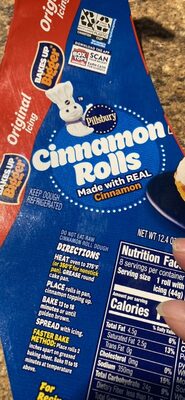
Similar Alternatives
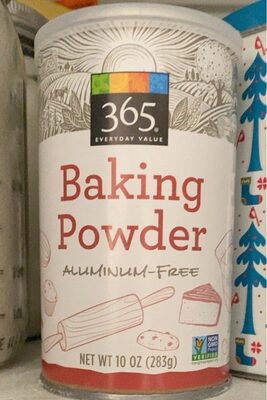
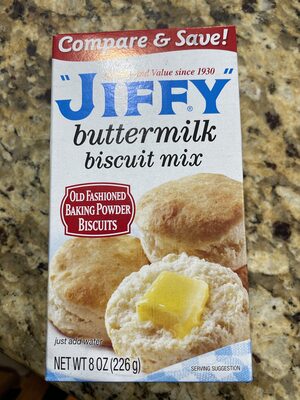
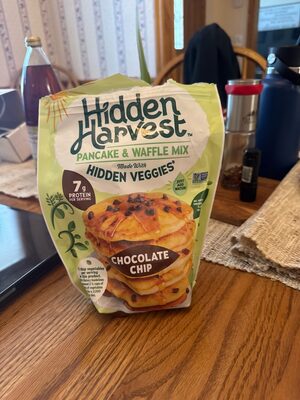
Frequently Asked Questions
Is Petritz pie crusts healthy? ▼
Is Petritz pie crusts Vegan? ▼
Does it contain harmful additives? ▼
Scan to Verify
Official GTIN Code
Nutrition Facts
Serving Size: 1 package
Calories
* The % Daily Value (DV) tells you how much a nutrient in a serving of food contributes to a daily diet. 2,000 calories a day is used for general nutrition advice.
Burn It Off
To burn off the 444 kcal in 100g, you'd need to:
Sugar Visualization
1 cube ≈ 4g sugar (Contains ~1 cubes)
Macros
FDA Check
Passed. No active recalls.