Back to ArenaCAKEID.VERSUS
Milk vs Non-Dairy Oat Beverage Showdown
Brutal Head-to-Head

Milk vs Non-Dairy Oat Beverage Showdown

In the evolving landscape of dairy alternatives, two contenders rise to the occasion: 1% Lowfat Milk and Non-Dairy Oat Beverage. Each brings unique qualities to the table, yet their differences could impact your health journey greatly.

The Quick Verdict
"While 1% Lowfat Milk stands out for its protein content and lower sugars, the Non-Dairy Oat Beverage appeals to those seeking plant-based options. Ultimately, the healthier choice leans towards the milk while the oat beverage offers a more indulgent taste experience."
1% Lowfat Milk (65%)Non-Dairy Oat Beverage (35%)

Based on AI sentiment analysis

A
Contender A
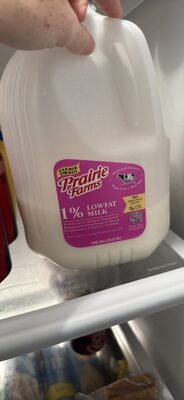
1% Lowfat Milk

1% Lowfat Milk

Best For
Best for health-conscious individuals looking for protein and calcium-rich options without added sugars.
Health Watch
Main health concern is lactose content for lactose-intolerant individuals.
See Deal

Chef's Hacks

  • Use in smoothies for a creamy texture and additional protein.
  • Perfect for pouring over cereal or granola for breakfast.
  • Can be used in baking to maintain moisture and create fluffy textures.

Did You Know?

"Lowfat milk has been a staple in American diets since the 1970s when there was increasing awareness of dietary fat’s impact on health."

The Showdown

Pros & Cons

1% Lowfat Milk

  • High in protein content which aids in muscle repair and growth.
  • Rich in calcium and essential vitamins, supporting bone health.
  • Minimal processing means fewer additives compared to many alternatives.
  • Contains lactose, which may be problematic for lactose-intolerant individuals.
  • Lower fat content may not appeal to those seeking richer flavors.
  • Limited flavor variations compared to plant-based alternatives.

Non-Dairy Oat Beverage

  • Lactose-free and suitable for those with dairy sensitivities or allergies.
  • Contains fibers and carbohydrates that are beneficial for energy and digestion.
  • Rich and creamy texture that enhances the mouthfeel.
  • Higher sugar content which could lead to negative health implications if consumed excessively.
  • Contains various additives which may not be appealing to health-conscious consumers.
  • Lower in protein compared to dairy milk, which is vital for certain diets.

Flavor Profile

Flavor & Texture

When tasting 1% Lowfat Milk, one immediately notices its light and refreshing mouthfeel, which can be slightly creamy without overwhelming richness. There is a subtle sweetness derived from the lactose that highlights its freshness. The flavor profile remains consistent, providing a dairy taste without being overly intense. The aftertaste is clean, leaving little lingering residue in the mouth, making it an excellent choice for various pairings. Conversely, the Non-Dairy Oat Beverage delivers a rounded and satisfying creamy texture that coats the palate. The oat base contributes a distinct grainy taste, subtly sweetened, and although it has added sugars, they seem to blend seamlessly with the natural flavors. The aftertaste is smooth, often leaving a mild nutty nuance that might appeal to users looking for a comforting beverage experience rather than the usual dairy palate.

Ingredient Quality

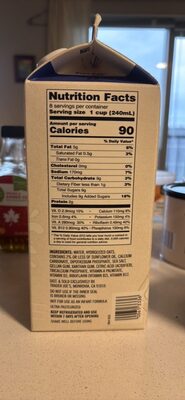
Both products offer an interesting perspective on ingredient quality, with each having its unique strengths. Starting with the 1% Lowfat Milk, the primary ingredient is Grade A lowfat milk, enriched with vitamin A palmitate and vitamin D3. This simplicity indicates minimal processing and the absence of artificial additives, making it a cleaner choice overall. However, some may question the inclusion of synthetic vitamins, but when balanced against natural nutrition, they don't detract significantly from its status. The Non-Dairy Oat Beverage, on the other hand, showcases a broader cast of ingredients including hydrolyzed oats, sunflower oil, and various additives like gellan gum and xanthan gum. These serve as stabilizers and thickeners, allowing the beverage to achieve its creamy format without being too thick or clumpy. Calcium carbonate is added, although the bioavailability may not match that of calcium from dairy sources. Moreover, with the presence of added sugars, consumers should be cautious as these could contribute to potential health concerns if moderated care is not taken.

Nutritional Value

In comparing the nutritional profiles, the 1% Lowfat Milk offers a solid base of essential nutrients that heavily support bone health, supplying approximately 125 mg of calcium per serving and a decent amount of protein—approximately 8 grams. The carbohydrates are significantly lower than those found in the Non-Dairy Oat Beverage, making it a better option for those monitoring their carbohydrate intake or preferring a lower sugar content as it contains less than 5g per serving. On the contrary, the Non-Dairy Oat Beverage delivers a notable 9 grams of carbohydrates, with a significant portion comprising added sugars, which could detract from its nutritional value. Additionally, although it provides calcium, the amount from synthetic sources may not be as effectively absorbed as that from dairy. When it comes to overall health, especially for those who are active or looking to maintain lean muscle, the better option seems to lie with the lowfat milk due to its higher protein and lower sugar content.

Value Verdict

The 1% Lowfat Milk generally offers better value for money due to its high-quality calcium and protein content, which supports bone health and muscle recovery. Considering it is less processed and lacks harmful additives, it provides a more nutritious option for those balancing taste and health.

A Better Alternative?

Unsweetened Almond Milk is a great alternative as it is lower in calories, contains no added sugars, and offers a light flavor that works well in most dishes.

If both A and B are disappointing, our experts recommend this healthier swap.

Make it a Meal

Try pairing the winner with Honey Cinnamon Oats

"The mild sweetness and creaminess of either milk complements the warm spices and hearty oats, creating a comforting breakfast dish that balances texture and flavor harmoniously."

Buy Honey Cinnamon Oats

Final Conclusion

In conclusion, the battle between 1% Lowfat Milk and the Non-Dairy Oat Beverage is intriguing and showcases significant differences in nutritional value, taste, and audience preference. While 1% Lowfat Milk shines in protein content and calcium density, making it the healthier option for many, the Non-Dairy Oat Beverage entices with its creamy texture and indulgent sweetness, perfect for those seeking a comforting sip. Ultimately, your choice might boil down to personal dietary needs and preferences—whether you prioritize protein, calcium, or embrace the allure of plant-based consumption. Both can have their place within a balanced diet.

Share the Verdict

Help your friends eat smarter.

Frequently Asked Questions

Which option is better for bone health?

1% Lowfat Milk is superior for bone health due to higher calcium and protein content.

Can lactose-intolerant individuals consume either product?

Individuals with lactose intolerance should choose the Non-Dairy Oat Beverage, as it is lactose-free, while 1% Lowfat Milk may cause digestive issues.
B
Contender B
Non-Dairy Oat Beverage

Non-Dairy Oat Beverage

Best For
Best for vegans, lactose-intolerant people, or those seeking a creamy, indulgent flavor in their beverages.
Health Watch
Main health concern is high added sugar content.
Watch out for:
See Deal

Chef's Hacks

  • Great for making dairy-free lattes and coffee drinks.
  • Can be used as a base for creamy soups and sauces.
  • Skyrocket your smoothie bowl creativity by topping with fruits and nuts.

Did You Know?

"Oat milk has gained immense popularity in recent years, particularly in coffee shops, thanks to its ability to froth and create a rich, creamy texture in beverages."