Back to ArenaCAKEID.VERSUS
Baking Powder vs Active Dry Yeast
Brutal Head-to-Head

Baking Powder vs Active Dry Yeast

In the realm of baking, choosing the right leavening agent can significantly impact the texture and taste of your baked goods. This comparison between Baking Powder and Active Dry Yeast will help you determine which product reigns supreme for your culinary needs.

The Quick Verdict
"Active Dry Yeast is the better option for a natural leavening that enhances flavor and texture, while Baking Powder is efficient for quick baking tasks. Overall, it comes down to what you're aiming to achieve in your baked goods."
Baking Powder (45%)Active Dry Yeast (55%)

Based on AI sentiment analysis

B
Contender A
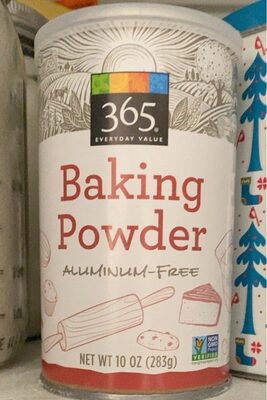
Baking Powder

Baking Powder

Best For
Baking enthusiasts looking for quick solutions; perfect for those in a rush or less experienced in baking techniques.
Health Watch
High sodium content relative to serving size due to baking soda, which may not align with dietary preferences.
Watch out for:
See Deal

Chef's Hacks

  • Use in pancake mixes for fluffy, quick breakfasts.
  • Incorporate into muffin recipes for a tender crumb.
  • Combine with cake batters to achieve light and airy cakes.

Did You Know?

"Baking Powder was first invented in the 19th century, transforming the baking world by providing a quicker alternative to yeast, allowing bakers to create light baked goods without the need for prolonged rising times."

The Showdown

Pros & Cons

Baking Powder

  • Ideal for quick breads and cakes requiring no rise time.
  • Contains cornstarch that can help absorb moisture, extending shelf life.
  • Provides a predictable rise when combined with moisture and warmth.
  • Contains additives such as monocalcium phosphate that may not be appealing to health-conscious consumers.
  • Less versatile compared to yeast, which can also enhance flavor.
  • May cause baked goods to have a slightly metallic taste if used excessively.

Active Dry Yeast

  • Yeast provides a complex flavor profile that enhances the taste of bread.
  • Creates a light, airy texture that is hard to achieve with chemical leaveners.
  • More natural ingredient list, appealing to those seeking clean labels.
  • Requires proofing, which can be time-consuming for bakers.
  • Sensitive to temperature and moisture, which can affect performance.
  • Shelf life is typically shorter without proper storage compared to baking powder.

Flavor Profile

Flavor & Texture

When it comes to flavor and texture, the differences between Baking Powder and Active Dry Yeast are quite pronounced. Baking Powder acts quickly and provides leavening primarily through the release of carbon dioxide when it interacts with moisture and heat, resulting in a light and fluffy texture that is perfect for muffins and pancakes. However, it often lacks the depth of flavor found in yeast-leavened products. In contrast, Active Dry Yeast contributes a unique flavor profile to baked goods, often described as slightly sweet and complex due to the fermentation process. This development of flavors in yeast occurs over time, offering a chewy, airy, and satisfying mouthfeel in breads and pizzas, which many bakers aim to achieve. The aftertaste of baked goods featuring yeast can enhance overall enjoyment, while chemically leavened goods may taste a bit bland by comparison.

Ingredient Quality

Both Baking Powder and Active Dry Yeast contain distinctive ingredients that impact their overall quality and health perceptions. Baking Powder consists of cornstarch and monocalcium phosphate, a chemical leavening agent, along with baking soda. While cornstarch serves to absorb moisture and increase shelf life, monocalcium phosphate is an acidifying agent that reacts with baking soda, producing CO2 gas and helping baked goods rise. Some consumers may be wary of additives, particularly monocalcium phosphate, as it's less natural than yeast. On the other hand, Active Dry Yeast primarily contains yeast and sorbitan monostearate, an emulsifier which helps with the even dispersion of the yeast in mixtures. The ingredient quality in Active Dry Yeast is often perceived as more natural since it consists largely of living microorganisms that can contribute positively to flavor profiles. For those aiming for minimal processing and additives, Active Dry Yeast generally holds the upper hand.

Nutritional Value

The nutritional profiles of Baking Powder and Active Dry Yeast showcase significant differences that cater to distinct baking needs. Baking Powder, while low in calories, introduces 21.4g of carbohydrates per 100g serving, though these come primarily from cornstarch, which alone offers minimal nutritional benefits. Active Dry Yeast, however, boasts negligible amounts of macronutrients—0g in carbohydrates, fats, and even calories per serving—but provides beneficial properties through the fermentation process, including the production of B vitamins that support energy metabolism. Moreover, the fact that Active Dry Yeast contains live cultures enables potential health benefits beyond mere nutrition, further positioning it as a preferable option for those seeking to improve gut health. Thus, while Baking Powder may be adequate for quick recipes with higher energy needs, Active Dry Yeast offers nutritional benefits that favor longer-term health goals.

Value Verdict

In terms of value for money, Baking Powder tends to be more affordable and offers the advantage of convenience, especially for quick recipes. However, while initially it may seem less expensive than Active Dry Yeast, the latter can provide improved flavor, texture, and nutritional benefits that may justify the higher price point over time. Investing in Active Dry Yeast can yield superior results in your baking endeavors, leading to greater overall satisfaction.

A Better Alternative?

Sourdough Starter, as it not only serves as a leavening agent but also introduces beneficial bacteria and a complex flavor profile that enhances bread quality.

If both A and B are disappointing, our experts recommend this healthier swap.

Make it a Meal

Try pairing the winner with Homemade Butter

"The creamy richness of homemade butter complements the soft, pillowy texture of yeast-leavened bread, enhancing both flavor and mouthfeel in a delightful combination."

Buy Homemade Butter

Final Conclusion

Baking Powder and Active Dry Yeast serve very distinct purposes in the baking sphere, where each one has its own unique advantages and disadvantages. Baking Powder excels in convenience, granting the ability to whip up quick baked goods without advanced skills, making it an ideal choice for beginner bakers or those pressed for time. In contrast, the depth of flavor and texture complexity provided by Active Dry Yeast certainly enhances the quality of baked items, particularly breads, making it the superior choice for experienced bakers seeking authentic taste experiences. Ultimately, the decision rests on the specific baking task at hand, with Baking Powder being the quick and inexpensive choice, while Active Dry Yeast delivers richness and depth deserving of the attention it demands.

Share the Verdict

Help your friends eat smarter.

Frequently Asked Questions

Can I substitute Baking Powder for Yeast?

While it is possible to do so in quick bread recipes, Baking Powder will not replicate the same fermentation effect that yeast provides, which is crucial for flavor and texture in yeast-leavened products.

Is Active Dry Yeast healthier than Baking Powder?

Yes, Active Dry Yeast boasts a cleaner ingredient profile, offering potential nutritional benefits through fermentation and contributing to a more complex flavor in baked goods.
A
Contender B
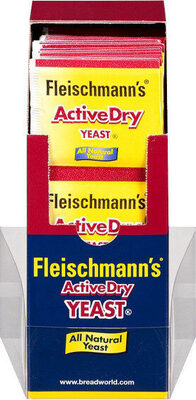
Original Active Dry Yeast

Active Dry Yeast

Best For
Home bakers aiming for quality results; best suited for individuals seeking flavorful, natural baked products.
Health Watch
Lack of nutritional density per serving without a diverse recipe could lead to poor health perspectives.
Watch out for:
See Deal

Chef's Hacks

  • Perfect for traditional bread and baguette recipes.
  • Enhance pizza dough for a chewy crust.
  • Use in cinnamon rolls for a delightful rise and texture.

Did You Know?

"Active Dry Yeast was originally established as a dry form of yeast in the early 20th century, revolutionizing home baking by providing a convenient way to include fermentation without the immediate need for refrigeration."