
Coconut Water Showdown: Pure vs. Blend
Coconut water has made a splash in the health world, but products vary significantly in quality. In this face-off, we compare Central Market Coconut Water with Go Coconuts Coconut Milk & Coconut Water Blend to see which refreshment offers more benefits for your health.
Based on AI sentiment analysis
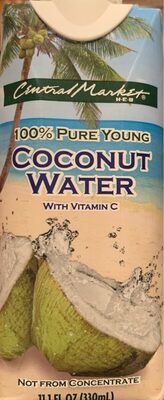
Central Market Coconut Water
Chef's Hacks
- Sip chilled on its own post-workout for a refreshing hydration boost.
- Mix into smoothies for a light tropical flavor and added vitamins.
- Use it as a base for a homemade coconut chia pudding.
Did You Know?
"Did you know that coconut water can be used as a natural IV fluid in emergency situations due to its similar electrolyte composition to human blood plasma?"
The Showdown
Pros & Cons
Central Market Coconut Water
- Contains only two ingredients - coconut water and vitamin C, making it a clean and minimally processed drink.
- Zero added sugars, making it an excellent option for those monitoring sugar intake.
- Rich in electrolytes and vital for hydration, especially during physical activities.
- Lacks creaminess or a fuller mouthfeel compared to coconut milk blends.
- May not provide the same level of richness that some consumers seek.
- Limited nutrient diversity; mainly just hydration and vitamin C.
Go Coconuts Coconut Milk Blend
- Combines coconut milk and coconut water, offering a creamy texture that many find delicious.
- Contains added calcium, which supports bone health, making it more nutritionally varied.
- Includes additional ingredients that can enhance mouthfeel and improve the taste profile.
- Contains additives such as locust bean gum and gellan gum, which may concern health-conscious consumers.
- Higher in calories and carbohydrates than pure coconut water, possibly not ideal for those on a strict diet.
- Contains added salt, which may not be necessary for all, particularly those managing sodium intake.
Flavor Profile
Flavor & Texture
Ingredient Quality
Nutritional Value
Value Verdict
A Better Alternative?
Try organic fresh coconut water for the ultimate health benefits, as it is pure, fresh, and free of any additives or processing.
If both A and B are disappointing, our experts recommend this healthier swap.
Make it a Meal
Try pairing the winner with Fresh fruits like pineapple or mango
"The sweet and tropical notes of these fruits complement coconut flavors perfectly, enhancing the drink's refreshing nature and providing a delicious, hydrating experience."
Buy Fresh fruits like pineapple or mangoFinal Conclusion
The comparison between Central Market Coconut Water and Go Coconuts Coconut Milk Blend reveals two distinct approaches to hydration. While Central Market focuses on purity and simplicity, making it an excellent choice for health-conscious individuals looking for a clean hydration source, Go Coconuts offers a different angle with its creamy blend and added nutrients. Each has its merits, depending on individual preferences and dietary needs. Central Market takes the crown for those prioritizing health and straightforward consumption, while Go Coconuts might satisfy those desiring a richer, creamier experience. Ultimately, consumers should consider their personal taste and health goals when making a choice.
Share the Verdict
Help your friends eat smarter.
Frequently Asked Questions
Is coconut water good for hydration?
Yes, coconut water is an excellent source of hydration due to its high electrolyte content, making it effective in replenishing fluids lost during exercise or heat.
Can I use coconut milk as a substitute for heavy cream?
Absolutely! Coconut milk can be a great dairy-free alternative in many recipes, providing a rich, creamy texture without the lactose.

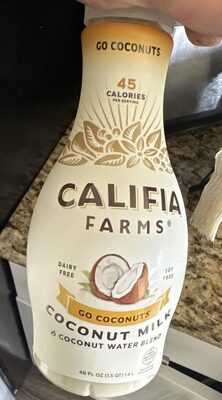
Go Coconuts Coconut Milk Blend
Chef's Hacks
- Blend into smoothies for a creamy texture that enhances the overall drink.
- Use in baking recipes to impart coconut flavor and moisture.
- Create tropical cocktails or mocktails for a unique refreshing drink.
Did You Know?
"Coconut milk has been a staple in various tropical cuisines for centuries, enhancing dishes with its creamy texture and rich flavor, especially in Southeast Asia."